Financial Forecasting Your Path to Profit

In the dynamic world of business, foresight isn't just a luxury; it's a necessity. This is where financial forecasting plays its pivotal role, serving as the compass that guides organizations through uncertain waters toward sustained growth and profitability. Far from being a mere number-crunching exercise, it is a strategic discipline that involves making informed predictions about a company's future financial performance based on historical data, current market conditions, and anticipated trends.
Effective financial forecasting empowers leaders to make proactive decisions, anticipate challenges, and seize opportunities. It transforms raw data into actionable insights, helping businesses understand where they are headed financially, identify potential roadblocks, and allocate resources more efficiently. Without a clear financial outlook, companies operate in the dark, risking missteps that can jeopardize their very survival.

The true power of financial forecasting lies in its ability to paint a realistic picture of future revenues, expenses, and cash flows. This clarity enables more precise budgeting, capital expenditure planning, and risk management. For any entity aiming not just to survive but to thrive and achieve lasting profitability, integrating robust forecasting practices into its core operations is non-negotiable. It's the cornerstone of sound financial health and a reliable roadmap to desired financial outcomes.
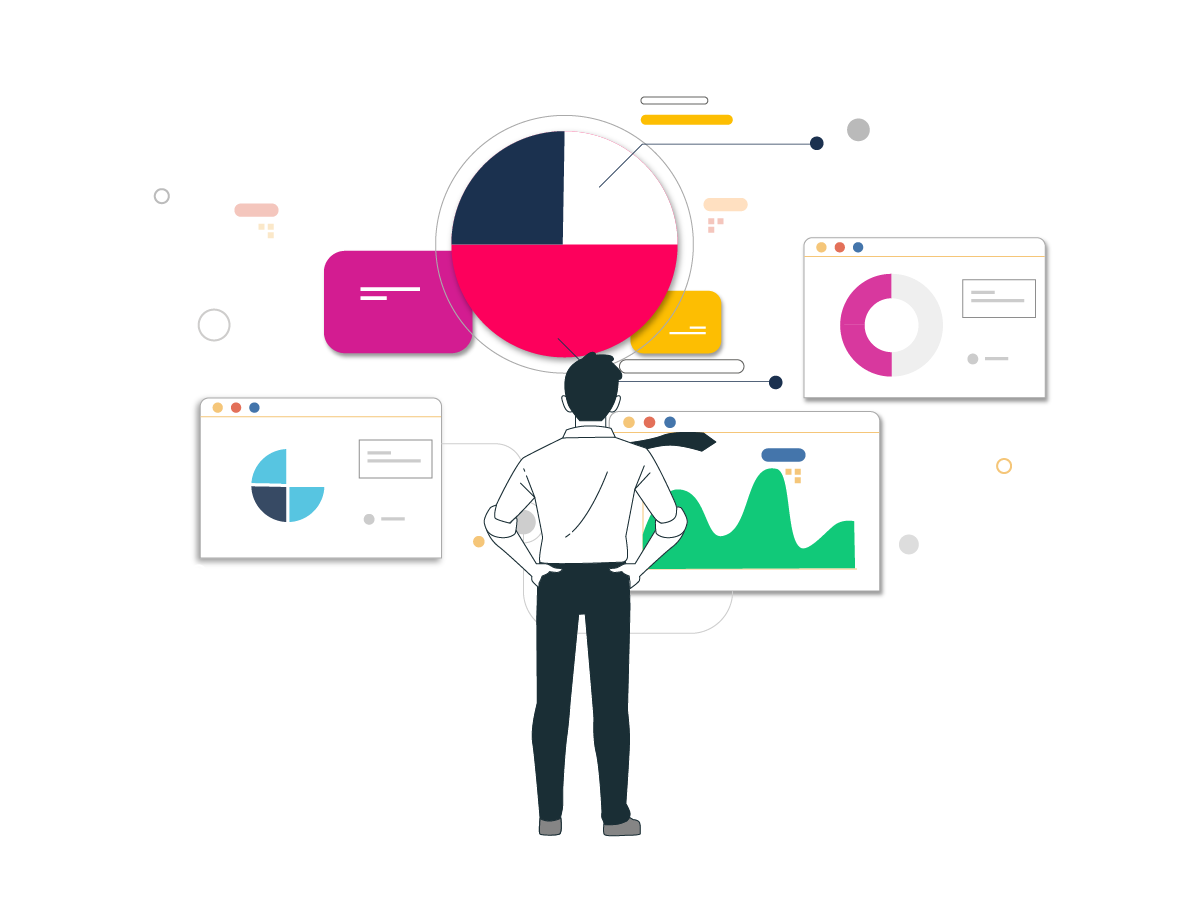
This article delves into the critical aspects of financial forecasting, exploring its methodologies, profound benefits, inherent challenges, and the strategic processes involved in building a resilient financial future for your organization.

Understanding Financial Forecasting: More Than Just Predictions

At its heart, financial forecasting is the process of estimating the financial outcomes of an organization for a future period. Unlike budgeting, which sets specific spending limits and revenue targets for a defined period, forecasting is a continuous and iterative process aimed at predicting what will happen based on current and projected circumstances. It provides a forward-looking perspective that allows businesses to adapt their strategies in real-time.
What is Financial Forecasting?
Financial forecasting involves making educated guesses about an organization's future financial position, performance, and cash flows. These predictions are typically based on a combination of historical financial data, economic indicators, market trends, and internal business plans. Key elements commonly forecasted include:

- Revenue Forecasting: Predicting future sales and income based on market demand, pricing strategies, and sales pipeline.
- Expense Forecasting: Estimating future operating costs, including salaries, rent, utilities, and raw materials.
- Cash Flow Forecasting: Projecting the inflow and outflow of cash over a specific period, crucial for managing liquidity.
- Profit Forecasting: Combining revenue and expense forecasts to predict future net income or loss.
The level of detail and the time horizon of forecasts can vary significantly, ranging from short-term (e.g., weekly or monthly cash flow forecasts) to long-term (e.g., multi-year revenue projections for strategic planning).

Why is Financial Forecasting Indispensable for Businesses?
The importance of financial forecasting cannot be overstated. It acts as a vital tool that underpins almost every strategic decision within a company:
- Strategic Planning: Forecasts provide the necessary data to formulate long-term business strategies, including market entry, product development, and geographic expansion.
- Resource Allocation: By predicting future needs, companies can efficiently allocate capital, human resources, and inventory, preventing shortages or overstocking.
- Risk Mitigation: Identifying potential financial shortfalls, liquidity issues, or revenue declines early allows management to implement corrective actions before they become crises.
- Performance Measurement: Forecasts serve as benchmarks against which actual financial results can be compared, helping to identify deviations and understand underlying causes.
- Capital Raising: Accurate forecasts are essential when seeking investment or loans, as they demonstrate a clear understanding of future financial viability to potential investors and lenders.
Key Methodologies in Financial Forecasting
The selection of a financial forecasting methodology depends heavily on the available data, the time horizon of the forecast, and the specific objectives. Broadly, these methods can be categorized into qualitative and quantitative approaches.

Qualitative Forecasting Methods
Qualitative methods are typically used when historical data is scarce, unreliable, or irrelevant, such as for new product launches or in highly volatile markets. They rely on expert judgment and subjective assessments.
- Expert Opinion: Gathering insights from seasoned professionals, industry veterans, or internal executives who possess deep knowledge of the market and business operations.
- Delphi Method: A structured communication technique that relies on a panel of experts who answer questionnaires in two or more rounds. After each round, a facilitator provides an anonymized summary of the experts' forecasts and their reasons. This process continues until a consensus is reached.
- Market Research: Directly surveying customers, suppliers, or distributors to gauge demand, market trends, and potential sales.
Quantitative Forecasting Methods
Quantitative methods rely on historical data and mathematical models to predict future outcomes. They are best suited for situations where sufficient historical data is available and patterns are expected to continue.
- Time Series Analysis: This method analyzes historical data patterns over time to predict future values. It assumes that past patterns will largely repeat themselves.
- Moving Averages: Calculates the average of a specific number of past periods to smooth out short-term fluctuations and identify trends.
- Exponential Smoothing: Similar to moving averages but assigns exponentially decreasing weights to older observations, giving more importance to recent data.
- ARIMA (AutoRegressive Integrated Moving Average): A more sophisticated statistical model that handles complex time series patterns, including trends, seasonality, and cycles.
- Causal Models (Regression Analysis): These models identify relationships between the variable being forecasted (dependent variable) and other independent variables that are believed to influence it.
- Simple Linear Regression: Examines the relationship between one independent variable and the dependent variable (e.g., sales revenue influenced by advertising spend).
- Multiple Regression: Considers the influence of multiple independent variables on the dependent variable (e.g., sales revenue influenced by advertising, economic growth, and competitor pricing).
Choosing the right mix of methods, often combining qualitative insights with quantitative analysis, is crucial for developing robust and reliable financial forecasts.
The Profound Benefits of Effective Financial Forecasting
Beyond simply predicting numbers, a well-executed financial forecasting process offers a multitude of strategic and operational advantages that directly contribute to a company's success and profitability.
Enhanced Strategic Decision-Making
Accurate forecasts provide the foundation for sound strategic choices. Whether it's deciding on a major investment, launching a new product line, or entering a new market, having a clear financial outlook reduces uncertainty and enables calculated risks. Leaders can assess the potential financial impact of various strategies and choose the path most likely to yield desired results.
Optimized Resource Allocation
One of the most immediate benefits of financial forecasting is the ability to optimize the allocation of scarce resources. By predicting future demand for capital, human resources, and inventory, businesses can:
- Manage Cash Flow: Anticipate periods of cash surplus or deficit, allowing for proactive investment or securing lines of credit.
- Workforce Planning: Forecast staffing needs, ensuring the right talent is available when required, avoiding costly overstaffing or understaffing.
- Inventory Management: Predict sales volumes to optimize inventory levels, minimizing carrying costs and stockouts.
Proactive Risk Management
Forecasting acts as an early warning system. By projecting future financial performance, companies can identify potential risks such as revenue shortfalls, rising costs, or liquidity issues before they materialize. This allows management to develop contingency plans, adjust operations, or seek additional funding, mitigating potential damage and ensuring business continuity.
Improved Budgeting and Performance Measurement
While distinct, forecasting and budgeting are deeply intertwined. Robust forecasts provide realistic benchmarks for budget creation, ensuring that financial plans are ambitious yet achievable. Subsequently, actual performance can be measured against these forecasts and budgets, providing valuable insights into variances and prompting necessary adjustments to operations or strategies.
Greater Investor Confidence
For publicly traded companies or those seeking external funding, credible financial forecasts are paramount. They demonstrate fiscal responsibility, a clear vision for the future, and a deep understanding of market dynamics. This transparency and foresight can significantly boost investor confidence, making it easier to attract capital and maintain strong shareholder relations.
Navigating Challenges in Financial Forecasting
Despite its undeniable benefits, financial forecasting is not without its complexities and challenges. Understanding and proactively addressing these hurdles is essential for improving the accuracy and utility of your forecasts.
Data Quality and Availability
The adage "garbage in, garbage out" perfectly applies to forecasting. Inaccurate, incomplete, or inconsistent historical data can lead to fundamentally flawed forecasts. Challenges include:
- Poor Data Collection: Lack of standardized data entry or fragmented data across different systems.
- Missing Data: Gaps in historical records that make trend analysis difficult.
- Inconsistent Definitions: Different departments using varying definitions for key metrics.
- External Data Reliability: Difficulty in obtaining reliable and timely external economic or market data.
To overcome this, companies must invest in robust data governance, ensure data cleanliness, and integrate various data sources for a holistic view.
Market Volatility and External Factors
The business environment is constantly changing, influenced by factors often beyond a company's control. These external factors can significantly impact the accuracy of financial forecasting:
- Economic Downturns/Booms: Recessions, inflation, interest rate changes.
- Technological Disruptions: New technologies rendering old ones obsolete, changing consumer behavior.
- Geopolitical Events: Wars, trade disputes, political instability.
- Natural Disasters/Pandemics: Unforeseen events that halt or drastically alter business operations.
Forecasters must constantly monitor these external factors and build flexibility into their models, often by running multiple scenarios (e.g., best-case, worst-case, most likely).
Human Bias and Assumptions
Forecasting, even with sophisticated models, inherently involves human judgment and assumptions. These can introduce bias:
- Optimism Bias: Overly positive projections driven by a desire to meet targets or impress stakeholders.
- Anchoring Bias: Over-reliance on initial estimates or historical data, even when new information suggests otherwise.
- Confirmation Bias: Seeking out information that confirms pre-existing beliefs, ignoring contradictory evidence.
- Political Factors: Forecasts being manipulated to serve specific departmental or individual agendas.
Regular review by independent parties, clearly documented assumptions, and a culture that encourages critical assessment can help mitigate these biases.
Choosing the Right Forecasting Model
There is no "one-size-fits-all" forecasting model. The challenge lies in selecting the most appropriate method or combination of methods for a specific context. A model that works well for stable, mature industries might be inadequate for rapidly evolving tech startups. Factors to consider include:
- Data Characteristics: Presence of trends, seasonality, cycles, or randomness.
- Time Horizon: Short-term vs. long-term needs.
- Forecasting Objective: Revenue, expenses, cash flow, etc.
- Resources: Availability of software, skilled personnel, and budget.
It often requires experimentation, back-testing, and continuous refinement to find the optimal approach for financial forecasting.
Implementing a Robust Financial Forecasting Process
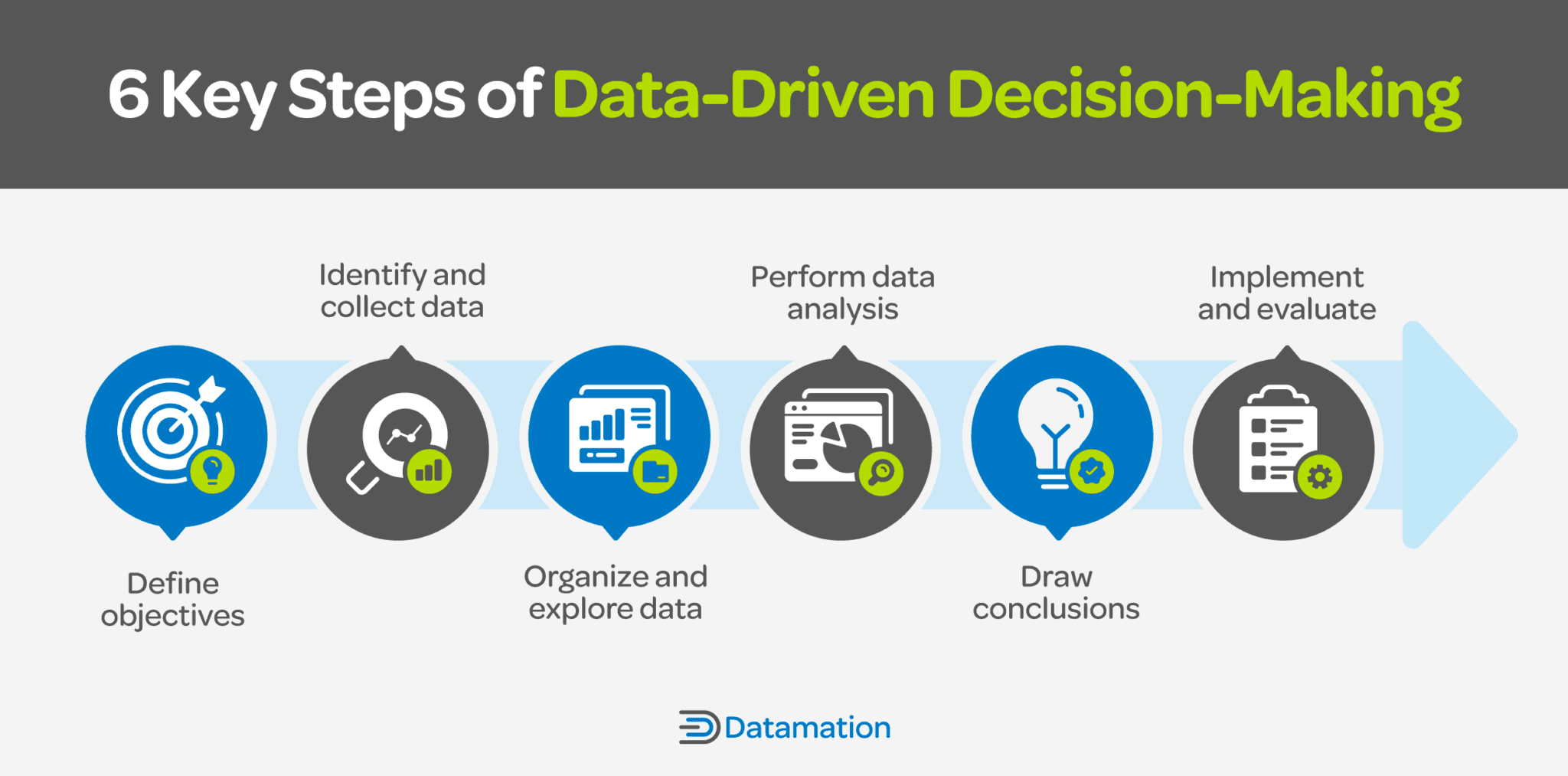
Establishing an effective financial forecasting process requires a systematic approach, clear objectives, and continuous refinement. It's an iterative cycle, not a one-time event.
Define Clear Objectives
Before anything else, understand why you are forecasting. Are you forecasting revenue for the next quarter to manage sales targets, or cash flow for the next month to ensure liquidity, or profit for the next three years for strategic planning? Clear objectives will dictate the level of detail, the time horizon, and the methods used.
Collect and Prepare Data
High-quality data is the bedrock of accurate forecasts. This involves:
- Internal Historical Data: Gather relevant historical financial statements (income statements, balance sheets, cash flow statements), sales data, customer acquisition costs, and operational metrics. Ensure data consistency and accuracy.
- External Market Data: Collect economic indicators (GDP growth, inflation, interest rates), industry-specific trends, competitor performance, and consumer behavior data.
- Data Cleaning and Validation: Remove anomalies, fill gaps, and verify the integrity of the data.
Select Appropriate Forecasting Methods
Based on your objectives and data characteristics, choose the most suitable qualitative and/or quantitative methods. For instance, a new product might rely more on market research and expert opinion (qualitative), while a mature product with stable sales would benefit from time series analysis (quantitative). Often, a blend of methods provides the most comprehensive view.
Develop and Analyze Forecasts
This stage involves applying the chosen models to your prepared data.
- Build the Model: Construct your spreadsheets, use forecasting software, or apply statistical techniques.
- Generate Initial Forecasts: Run the models to produce preliminary financial projections.
- Conduct Sensitivity Analysis: Test how your forecasts change under different assumptions (e.g., what if sales are 10% lower, or costs are 5% higher?). This helps in understanding the range of possible outcomes and identifying key risk factors.
- Scenario Planning: Develop multiple scenarios (e.g., optimistic, pessimistic, most likely) to prepare for various future possibilities.
Monitor, Review, and Adjust
Financial forecasting is not a static exercise. It's a continuous process of monitoring and adjustment:
- Regular Comparison: Periodically compare actual financial results against your forecasts.
- Variance Analysis: Understand the reasons for any significant deviations between actuals and forecasts. Were market conditions different? Were internal operations less efficient? Were assumptions flawed?
- Feedback Loop: Use the insights gained from variance analysis to refine your forecasting models, update assumptions, and improve the accuracy of future forecasts. This iterative learning process is crucial for long-term forecasting excellence.
Modern Tools and Technologies for Financial Forecasting
The landscape of financial forecasting has been significantly transformed by advancements in technology. While basic tools remain relevant, more sophisticated solutions offer greater efficiency, accuracy, and depth of analysis.
Spreadsheet Software (Excel, Google Sheets)
For many small to medium-sized businesses, spreadsheets like Microsoft Excel or Google Sheets remain the go-to tools for financial forecasting. They are highly flexible and accessible, allowing users to build custom models using formulas, pivot tables, and basic charting.
- Pros: Widespread familiarity, low cost, high flexibility for custom models.
- Cons: Can become unwieldy for complex forecasts, prone to manual errors, limited collaborative features (compared to cloud solutions), difficulty in handling large datasets or advanced statistical analysis.
Business Intelligence (BI) Platforms
BI platforms like Tableau, Power BI, or Qlik Sense integrate data from various sources and offer powerful data visualization capabilities. While not primarily forecasting tools, they can support forecasting by providing clean, consolidated data and dashboards to monitor performance against forecasts.
- Pros: Excellent for data consolidation and visualization, improved reporting, ability to track key performance indicators (KPIs) in real-time.
- Cons: Often require integration with dedicated forecasting modules or statistical software for advanced predictive analytics.
Specialized Forecasting Software
A growing number of dedicated financial forecasting software solutions (e.g., Anaplan, Adaptive Planning by Workday, Oracle EPM Cloud) offer advanced functionalities tailored specifically for financial planning and analysis (FP&A).
- Pros: Built-in forecasting algorithms (time series, regression), scenario planning capabilities, robust data integration, collaborative features, version control, automated reporting.
- Cons: Higher cost, require specialized training, may be overkill for very small businesses.
Enterprise Resource Planning (ERP) Systems
Modern ERP systems (e.g., SAP, Oracle, Microsoft Dynamics 365) integrate various business functions like finance, sales, operations, and HR into a single system. This centralized data repository provides a rich source of historical information for more accurate forecasts and enables real-time updates.
- Pros: Comprehensive data integration, real-time insights, streamlined processes, enhanced data quality.
- Cons: High implementation cost and complexity, requires significant change management.
Leveraging the right combination of these tools can significantly enhance the accuracy, efficiency, and collaborative nature of your financial forecasting efforts, moving your organization closer to its profit goals.
Conclusion
Financial forecasting is more than just a financial exercise; it is a fundamental strategic imperative for any organization striving for sustained profitability and growth. From anticipating market shifts to optimizing resource allocation and mitigating risks, the insights derived from accurate financial forecasts empower businesses to navigate complexity with confidence and make data-driven decisions.
By embracing diverse methodologies, continuously refining processes, and leveraging modern technological tools, companies can transform their financial data into a powerful roadmap for the future. The ability to look ahead, understand potential outcomes, and adapt proactively is what separates thriving enterprises from those that merely survive. In a world of constant change, mastering financial forecasting is not just about predicting profit; it's about forging a clear, well-informed path to achieving it.