Boost Profit with Business Intelligence Solutions

Navigating the complexities of the modern business landscape demands more than just intuition; it requires precise, actionable insights. Companies today are awash in data, from sales transactions and customer interactions to operational metrics and supply chain movements. Without the right tools to sift through this enormous volume, this data remains an untapped resource, a silent testament to missed opportunities. This is where business intelligence solutions emerge as indispensable assets, transforming raw data into a strategic advantage that directly impacts the bottom line and propels growth.
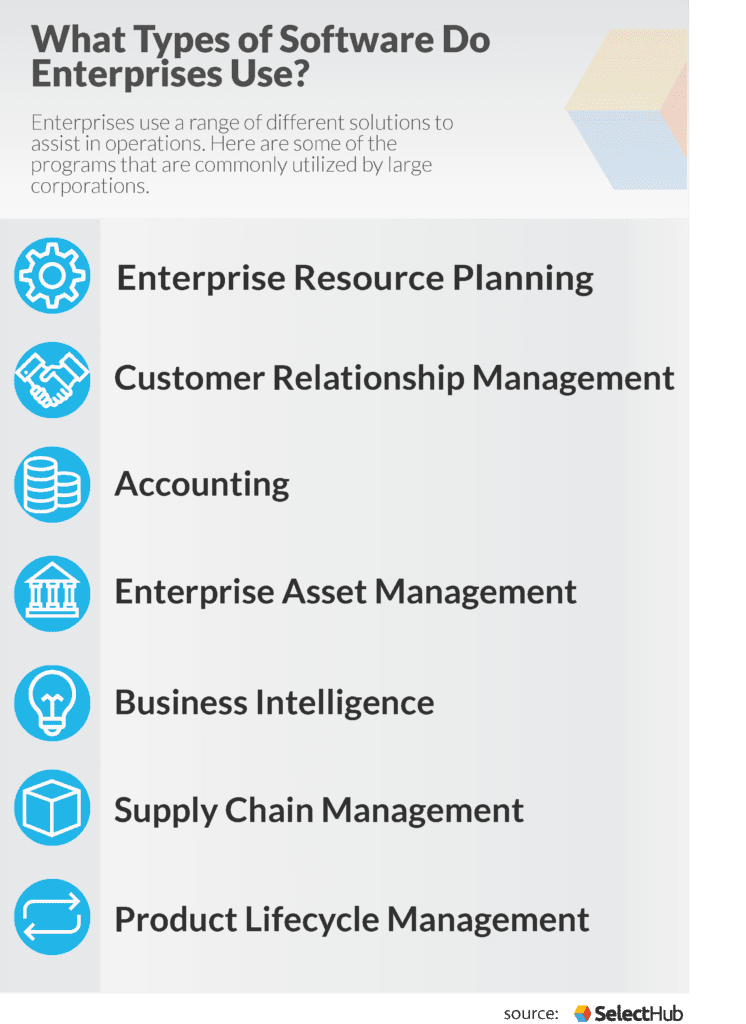
These powerful tools provide a holistic view of an organization's performance, enabling leaders to move beyond guesswork and make decisions grounded in verifiable facts. They help identify emerging trends, pinpoint inefficiencies, and understand customer behavior with unprecedented clarity. The ultimate goal is not just data analysis, but leveraging that analysis to foster agility, improve forecasting, and optimize every facet of operations.

In an increasingly competitive global market, the ability to react swiftly to changes and proactively identify pathways to success is paramount. Business intelligence isn't merely a technological upgrade; it represents a fundamental shift in how an organization perceives and utilizes information. It empowers teams from the executive suite to the front lines with the context needed to drive meaningful improvements.

What Are Business Intelligence Solutions?
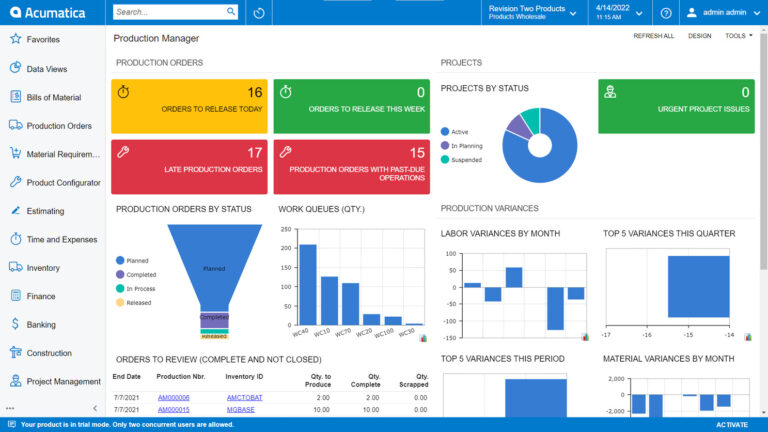
At its core, business intelligence (BI) solutions encompass the strategies, technologies, and processes used by enterprises for the data analysis of business information. BI technologies provide historical, current, and predictive views of business operations, often presenting these in the form of reports, dashboards, summaries, and graphs. The primary aim is to improve business decision-making by enabling organizations to gain deeper insights into their performance and market dynamics.
These solutions typically integrate data from various sources within an organization, such as ERP systems, CRM platforms, marketing automation tools, and even external datasets. This integration creates a unified, comprehensive data repository, often a data warehouse or data lake, which serves as the foundation for all analytical activities. Without a cohesive view of data, businesses often operate in silos, leading to inconsistent strategies and inefficiencies.

The Core Benefits of Business Intelligence Solutions for Profit
Implementing robust business intelligence solutions can profoundly impact an organization's profitability by addressing key areas that directly influence revenue and costs. The shift from reactive decision-making to proactive, data-driven strategies unlocks significant financial advantages.

Data-Driven Decision Making
Perhaps the most significant benefit is the ability to make decisions based on concrete evidence rather than speculation. BI platforms provide accurate, real-time insights into sales performance, customer trends, market conditions, and operational efficiency. This allows executives and managers to identify problems early, seize opportunities quickly, and allocate resources more effectively, all of which directly contribute to improved financial outcomes. For instance, understanding which marketing campaigns yield the highest ROI allows for more targeted spending.

Improved Operational Efficiency
BI tools excel at identifying bottlenecks, redundant processes, and areas of inefficiency within operations. By analyzing performance metrics across departments – from supply chain and production to sales and customer service – businesses can pinpoint where resources are being wasted or underutilized. Optimizing these processes leads to reduced operational costs, faster production cycles, and improved service delivery, directly boosting profit margins.
Enhanced Customer Understanding
Understanding customer behavior is crucial for revenue growth. BI solutions aggregate customer data from various touchpoints, providing a 360-degree view of their preferences, purchasing patterns, and pain points. This insight enables businesses to tailor products, services, and marketing efforts more precisely, leading to higher customer satisfaction, increased customer retention, and ultimately, greater lifetime value per customer. Identifying profitable customer segments allows for focused marketing spend.

Risk Mitigation and Fraud Detection
By monitoring key performance indicators and identifying anomalies, BI systems can serve as an early warning system for potential risks, including financial discrepancies, supply chain disruptions, or market shifts. Advanced analytics can also help detect fraudulent activities by flagging unusual patterns in transactions or user behavior, protecting the company's assets and reputation. Proactive risk management prevents costly issues down the line.
Competitive Advantage
In a crowded marketplace, the company with the best information often wins. BI provides a comprehensive understanding of market trends, competitor strategies, and customer needs that might be overlooked by rivals. This allows businesses to innovate faster, enter new markets more strategically, and differentiate their offerings, carving out a stronger position and leading to sustained profit growth.
Key Components of a Robust BI Ecosystem
A truly effective BI system is not a single piece of software but an integrated ecosystem of technologies working in harmony.
Data Warehousing and Data Lakes
The foundation of any BI solution is a centralized repository for data. A data warehouse stores structured, historical data for reporting and analysis, while a data lake can store raw, unstructured, and semi-structured data, offering greater flexibility for advanced analytics and machine learning. These repositories consolidate information from disparate sources, ensuring data consistency and readiness for analysis.
ETL (Extract, Transform, Load) Processes
ETL tools are crucial for moving data from operational systems into the data warehouse or data lake. This process involves extracting data from source systems, transforming it into a consistent format suitable for analysis (e.g., cleaning, standardizing, aggregating), and then loading it into the target repository. High-quality ETL processes ensure the integrity and reliability of the data used for BI.
Data Visualization and Dashboards
Once data is processed, it needs to be presented in an easily digestible format. Data visualization tools translate complex datasets into intuitive charts, graphs, maps, and interactive dashboards. These visual representations allow users to quickly identify trends, outliers, and patterns without needing deep analytical skills. Dashboards provide a real-time snapshot of key metrics, enabling swift decision-making.
Reporting Tools
Reporting tools allow users to create static or dynamic reports that summarize data for specific purposes. These reports can be scheduled, customized, and distributed to relevant stakeholders, providing detailed insights into various aspects of the business, such as sales performance, inventory levels, or financial statements.
Advanced Analytics and Predictive Modeling
Beyond descriptive reporting, many modern BI solutions incorporate advanced analytics capabilities, including statistical analysis, data mining, and machine learning. These tools can uncover hidden patterns, forecast future trends, and build predictive models (e.g., predicting customer churn or sales volumes), offering prescriptive insights that drive proactive strategies and better profit optimization.
Strategic Applications of Business Intelligence Solutions Across Departments
Business intelligence solutions are not just for the executive suite; their strategic applications span every department, unlocking efficiencies and growth opportunities from the ground up.
Sales and Marketing
In sales, BI empowers teams to identify top-performing products, understand sales cycles, forecast future demand, and optimize pricing strategies. Marketing departments leverage BI to analyze campaign effectiveness, segment customer audiences more precisely, personalize content, and track customer engagement metrics, leading to higher conversion rates and improved ROI.
Finance and Operations
For finance, BI provides clear visibility into revenue streams, expenses, profitability by product or service, and cash flow. It supports budgeting, forecasting, and financial planning, helping to identify cost-saving opportunities and manage financial risk. Operations teams use BI to optimize supply chains, manage inventory, improve production efficiency, and monitor quality control, leading to reduced waste and improved delivery times.
Human Resources
HR departments can utilize BI to analyze workforce demographics, identify talent gaps, optimize recruitment strategies, track employee performance, and understand retention rates. This data-driven approach helps improve employee satisfaction, reduce turnover costs, and ensure the organization has the right talent in place to meet its strategic objectives.
Choosing and Implementing the Right Business Intelligence Solutions
Selecting the appropriate BI solution is a critical decision that can significantly impact its success and the return on investment. It's not a one-size-fits-all scenario, and careful consideration of several factors is essential.
Assess Your Business Needs and Goals
Before evaluating vendors, clearly define your organization's specific needs, pain points, and strategic objectives. What questions do you need answered? Which departments will use BI, and for what purpose? Understanding your requirements will help narrow down options and ensure the chosen solution aligns with your business goals, particularly those related to boosting profit.
Evaluate Scalability and Integration Capabilities
Your BI solution should be able to grow with your business and integrate seamlessly with your existing technology stack (ERPs, CRMs, marketing platforms, etc.). Data siloing can undermine even the most sophisticated BI tools. Look for solutions with robust APIs and connectors to ensure smooth data flow and avoid future migration headaches.
Consider User-Friendliness and Adoption
A powerful BI tool is only effective if people use it. Prioritize solutions with intuitive interfaces, drag-and-drop functionalities, and easy-to-understand visualizations. User adoption is key to maximizing ROI, so ensure the platform is accessible to a wide range of users, from data analysts to business stakeholders, and provides necessary training resources.
Vendor Support and Ecosystem
Research the vendor's reputation, customer support, and the community around their product. A strong vendor ecosystem, including training materials, online forums, and professional services, can be invaluable during implementation and ongoing use. Consider their roadmap for future development to ensure the solution remains relevant.
Implementation Best Practices
Successful implementation of business intelligence solutions often involves starting small, demonstrating quick wins, and then scaling up. Data quality is paramount; "garbage in, garbage out" applies directly to BI. Ensure there's a clear data governance strategy in place. Finally, secure executive buy-in and champion user training to foster a data-driven culture throughout the organization.
Future Trends in Business Intelligence
The landscape of business intelligence is continuously evolving, driven by advancements in technology and the increasing demand for deeper, more immediate insights. Key trends are shaping the future of how businesses leverage data for profit.
Augmented Analytics
This trend uses machine learning and AI to automate data preparation, insight generation, and explanation. Augmented analytics can automatically identify patterns, correlations, and anomalies in data, making BI accessible to a broader audience beyond data scientists. It speeds up the analysis process and uncovers insights that might be missed by manual methods.
Embedded BI
Rather than relying on separate BI platforms, businesses are increasingly embedding BI capabilities directly into operational applications and workflows. This allows users to access insights and make data-driven decisions within the context of their daily tasks, without having to switch applications, making data more actionable and fostering a culture of continuous optimization.
Data Storytelling
Beyond presenting charts and graphs, the focus is shifting towards "data storytelling" – presenting insights in a narrative format that explains what happened, why it happened, and what actions should be taken. This approach makes data more engaging and actionable for non-technical stakeholders, ensuring insights lead to tangible business outcomes.
Cloud-Native BI
The adoption of cloud-native BI solutions continues to accelerate. Cloud platforms offer scalability, flexibility, and cost-effectiveness, allowing businesses to process vast amounts of data without significant upfront infrastructure investments. This trend also facilitates greater collaboration and accessibility for distributed teams.
Conclusion
In an era defined by information overload and relentless competition, the ability to harness data effectively is no longer a luxury but a fundamental necessity for survival and growth. Business intelligence solutions provide the critical framework for transforming raw data into strategic assets, empowering organizations to make informed decisions that directly impact their financial health. From optimizing operational efficiencies and enhancing customer understanding to mitigating risks and identifying new revenue streams, the value proposition of BI is clear and compelling. Embracing a data-driven culture, powered by robust BI tools, is the surest path to not only sustaining profitability but significantly boosting it in the years to come.