Unlock Growth with Smart Business Compliance

Navigating the intricate web of laws, regulations, and industry standards is no longer just a defensive strategy for businesses; it's a fundamental aspect of sustainable growth and competitive advantage. Business compliance encompasses the processes and procedures a company implements to adhere to the legal and ethical frameworks governing its operations. From safeguarding customer data to ensuring fair labor practices and maintaining financial transparency, adherence to these multifaceted requirements is paramount for any enterprise aiming for long-term success.

Traditionally, compliance was often viewed as a burdensome cost center, a series of hurdles to overcome to avoid penalties. This perspective, however, significantly underestimates its strategic value. Smart compliance, in today's dynamic global landscape, is a proactive investment that safeguards reputation, fosters trust, enhances operational efficiency, and crucially, unlocks new avenues for market expansion and innovation. It transforms potential liabilities into robust foundations for strategic development.
The sheer volume and complexity of regulatory demands can indeed be daunting. Businesses operate across diverse jurisdictions, each with its unique legal landscape, and these landscapes are constantly evolving. Staying abreast of changes, interpreting complex legal jargon, and implementing effective internal controls require significant resources and expertise. Without a clear strategy, companies risk not only financial penalties but also severe reputational damage that can be far more costly to repair.
This comprehensive guide will delve into the multifaceted world of modern business compliance. We'll explore its core components, articulate its strategic benefits, identify key areas that demand attention, and discuss the challenges and solutions in building a resilient compliance framework. Ultimately, understanding and embracing smart compliance is not merely about avoiding pitfalls; it's about strategically positioning your business for robust growth and unwavering stability in an increasingly regulated world.

Understanding Business Compliance: More Than Just Rules
At its heart, business compliance is about aligning an organization's operations, policies, and practices with a set of external and internal standards. These standards can originate from various sources, making the compliance landscape incredibly diverse and complex. It's not a static checklist but a dynamic, ongoing commitment that permeates every level of an organization.

Defining the Scope of Business Compliance
The scope of business compliance extends far beyond merely avoiding fines or legal action. It encompasses a holistic approach to responsible business conduct. This includes:
- Legal Compliance: Adhering to national, state, and local laws, such as corporate law, consumer protection laws, environmental regulations, and intellectual property rights.
- Regulatory Compliance: Meeting the specific rules set by regulatory bodies governing particular industries or activities, like financial services (e.g., SOX, GDPR for data privacy), healthcare (e.g., HIPAA), or manufacturing.
- Ethical Compliance: Upholding internal codes of conduct, ethical guidelines, and societal expectations, even where no explicit law exists. This relates to corporate social responsibility, fair business practices, and preventing conflicts of interest.
- Industry Standards: Conforming to best practices and certifications within a specific sector, often driven by industry associations to ensure quality, safety, or interoperability.
- Contractual Compliance: Fulfilling obligations outlined in agreements with clients, suppliers, partners, and employees.
Each of these facets requires continuous monitoring, clear internal policies, robust training programs, and effective enforcement mechanisms to ensure consistent adherence across the organization.
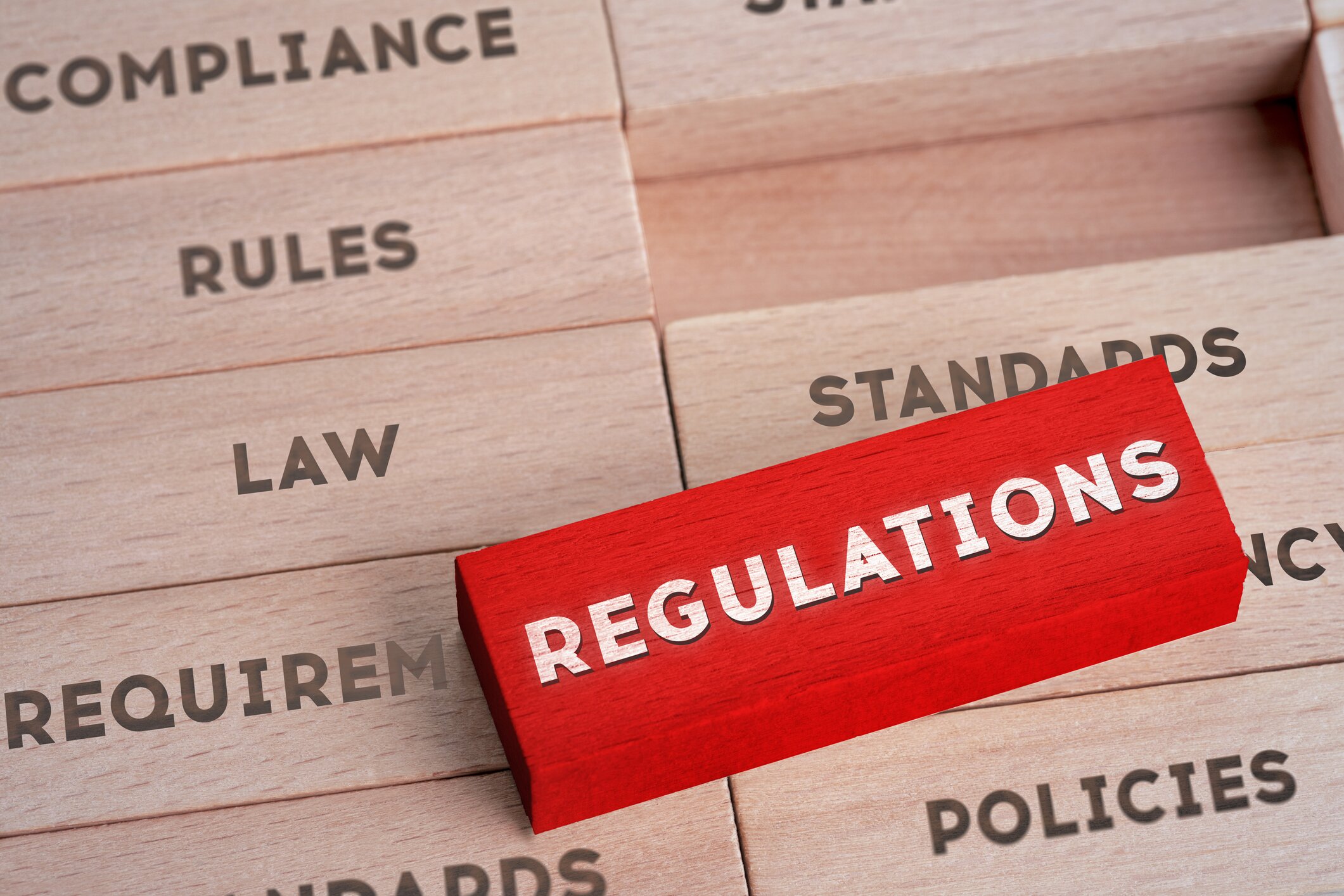
The Diverse Landscape of Compliance Obligations
The specific compliance obligations a business faces depend heavily on its industry, size, geographical reach, and the nature of its operations. For instance, a fintech startup will have vastly different regulatory burdens than a small, local retail shop. Similarly, a multinational corporation dealing with cross-border data transfers will face a more complex array of data privacy regulations (like GDPR, CCPA, LGPD) than a business operating solely within one country.

This diverse landscape necessitates a tailored approach to compliance, starting with a thorough assessment of all applicable requirements. This foundational step is critical for identifying potential risk areas and allocating resources effectively to build a robust compliance program. Without a clear understanding of what rules apply, a business is operating blindly, exposing itself to unnecessary vulnerabilities.
Why Proactive Business Compliance Drives Growth and Stability
Far from being a drag on resources, a proactive approach to business compliance is a powerful catalyst for sustained growth and long-term stability. It transforms a perceived obligation into a strategic asset, providing a competitive edge in a global marketplace that increasingly values transparency and ethical conduct.
Mitigating Risks and Avoiding Penalties
The most immediate benefit of strong compliance is risk mitigation. Non-compliance can lead to severe consequences, including:
- Financial Penalties: Fines can range from thousands to billions of dollars, depending on the nature and scale of the violation. For example, GDPR fines can reach up to 4% of annual global turnover.
- Legal Action: Lawsuits from regulators, customers, or even competitors, leading to costly litigation and potential injunctions.
- Reputational Damage: Loss of customer trust, negative media coverage, and public backlash can be devastating, impacting sales, talent acquisition, and investor confidence.
- Operational Disruption: Business activities may be halted or restricted by regulatory bodies, causing significant losses in productivity and revenue.
- Criminal Charges: In severe cases, individuals within the organization may face criminal prosecution.
By actively identifying and addressing compliance risks, businesses can avoid these detrimental outcomes, safeguarding their financial health and operational continuity.
Enhancing Reputation and Building Trust
In today's interconnected world, a company's reputation is arguably its most valuable asset. A strong record of compliance demonstrates a commitment to ethical conduct, transparency, and responsibility. This builds trust among customers, partners, investors, and employees. Consumers are increasingly discerning, preferring to engage with businesses that align with their values. Investors look for stability and good governance. Partners seek reliable, low-risk collaborations. A reputation for integrity, underpinned by robust compliance, translates directly into stronger relationships and sustained loyalty, creating a positive feedback loop that attracts more business.
Fostering Operational Efficiency
Surprisingly, robust compliance can also lead to increased operational efficiency. By establishing clear policies, standardized procedures, and effective internal controls, organizations can streamline processes, reduce errors, and improve decision-making. For instance, data governance frameworks required for privacy compliance can lead to cleaner data, better analytics, and more efficient marketing efforts. Regular audits, a cornerstone of compliance, often identify inefficiencies and areas for process improvement that extend beyond mere regulatory adherence. This internal discipline cultivates a culture of quality and accountability.
Unlocking New Market Opportunities
Companies with strong compliance frameworks are often better positioned to enter new markets, both domestically and internationally. Many jurisdictions and industries require specific certifications or demonstrate adherence to local regulations before allowing new entrants. For example, demonstrating adherence to ISO standards or specific industry certifications can be a prerequisite for tenders or partnerships. Furthermore, a proven track record of compliance can be a significant advantage in mergers and acquisitions, making a company a more attractive prospect. It reduces due diligence risks for potential buyers and often commands a higher valuation. Thus, compliance is not just about avoiding restrictions; it's about actively expanding possibilities.
Key Areas of Business Compliance for Modern Enterprises
While the specific compliance needs vary, several critical areas demand attention from nearly all modern businesses. Neglecting any of these can expose a company to substantial risks.
Data Privacy and Cybersecurity Compliance
With the exponential growth of digital data, data privacy and cybersecurity compliance have become paramount. Regulations like the General Data Protection Regulation (GDPR) in Europe, the California Consumer Privacy Act (CCPA) in the US, and similar laws globally mandate how businesses collect, store, process, and protect personal information. Compliance in this area involves implementing robust data security measures, obtaining proper consent, providing data subjects with specific rights (e.g., right to access, right to be forgotten), and having clear breach notification protocols. Failure to comply can result in massive fines and a devastating loss of customer trust.
Financial and Tax Compliance
This area covers adherence to financial reporting standards, anti-money laundering (AML) regulations, anti-bribery and corruption laws (like the FCPA and UK Bribery Act), and, of course, tax laws. Businesses must maintain accurate financial records, conduct regular audits, ensure transparency in transactions, and pay taxes correctly and on time. For publicly traded companies, regulations like Sarbanes-Oxley (SOX) impose strict requirements on internal controls and financial reporting to protect investors. Robust financial compliance prevents fraud, ensures fiscal responsibility, and maintains the integrity of financial markets.
Employment and Labor Law Compliance
Managing a workforce involves a complex web of laws related to hiring, firing, wages, working conditions, discrimination, workplace safety, and benefits. Key areas include adhering to minimum wage laws, overtime rules, anti-discrimination statutes (e.g., Title VII of the Civil Rights Act), occupational safety and health regulations (OSHA), and family leave policies. Non-compliance can lead to costly lawsuits, employee unrest, and damage to employer branding. Effective employment law business compliance ensures fair treatment of employees, fosters a positive work environment, and mitigates legal risks.
Environmental and Safety Regulations
Depending on the industry, businesses may face stringent environmental regulations concerning waste disposal, emissions, resource consumption, and pollution control. Additionally, workplace safety regulations are universal, designed to protect employees from harm. Compliance in these areas often requires permits, regular inspections, adherence to specific operating procedures, and reporting. Beyond legal mandates, strong environmental and safety compliance reflects a company's commitment to corporate social responsibility, appealing to environmentally conscious consumers and investors.
Industry-Specific Business Compliance
Beyond these general categories, many industries have their unique set of highly specialized regulations. Examples include:
- Healthcare: HIPAA (Health Insurance Portability and Accountability Act) for patient data privacy.
- Financial Services: Dodd-Frank Act, Basel Accords, MiFID II, and various banking and securities regulations.
- Pharmaceuticals: FDA regulations for drug development, testing, and manufacturing.
- Food & Beverage: USDA and FDA regulations for food safety, labeling, and production.
- Manufacturing: Specific product safety standards, quality control certifications (e.g., ISO 9001), and supply chain ethics.
Understanding and mastering these niche regulations is absolutely crucial for operating legitimately and competitively within a given sector.
Challenges and Solutions in Business Compliance Management
While the benefits of strong business compliance are clear, achieving and maintaining it presents significant challenges for organizations of all sizes. Navigating these complexities effectively requires strategic planning, investment, and a commitment to continuous improvement.
Navigating Regulatory Complexity
The sheer volume, intricacy, and ever-changing nature of regulations pose a formidable challenge. Regulations often vary by jurisdiction, and even within the same country, state and local laws can add layers of complexity. Furthermore, new laws are constantly being introduced, and existing ones are frequently updated or reinterpreted. Businesses must invest in legal expertise, subscribe to regulatory intelligence services, and develop robust internal processes to track, interpret, and implement these changes. This often involves cross-functional teams comprising legal, IT, HR, and operational leaders.
The Cost of Non-Compliance vs. Compliance Investment
Initial investment in compliance can seem substantial, encompassing legal fees, technology solutions, training, and dedicated personnel. This perceived cost often leads some businesses to postpone or underinvest in compliance efforts. However, this is a short-sighted view. The costs of non-compliance—fines, lawsuits, reputational damage, operational shutdowns—almost invariably dwarf the proactive investment in a robust compliance program. Framing compliance as an investment in resilience and growth rather than a mere cost center is crucial for securing necessary resources and leadership buy-in.
Leveraging Technology for Streamlined Business Compliance
Technology has emerged as a critical enabler for managing compliance challenges. Governance, Risk, and Compliance (GRC) software platforms can automate many aspects of compliance, including:
- Policy Management: Centralizing and distributing policies, ensuring version control.
- Risk Assessments: Identifying, evaluating, and prioritizing compliance risks.
- Incident Management: Tracking and reporting non-compliance events.
- Audit Management: Streamlining internal and external audit processes.
- Training and Awareness: Delivering and tracking mandatory compliance training.
- Regulatory Intelligence: Providing real-time updates on relevant legal and regulatory changes.
By automating routine tasks and providing comprehensive oversight, technology reduces manual errors, frees up human resources for more strategic tasks, and provides real-time visibility into the organization's compliance posture. This shift from reactive firefighting to proactive monitoring is central to smart compliance.
Building a Culture of Compliance: A Strategic Imperative
At its core, business compliance is not just about rules and regulations; it's about people and culture. A truly effective compliance program transcends policies and procedures to become an ingrained part of an organization's DNA. This requires strong leadership, continuous education, and a commitment to ethical conduct at every level.
Leadership Buy-In and Employee Training
The foundation of a strong compliance culture begins at the top. Senior leadership must not only endorse compliance initiatives but actively champion them, demonstrating their unwavering commitment through words and actions. When leaders prioritize ethical behavior and regulatory adherence, it sets the tone for the entire organization.
Equally critical is comprehensive and ongoing employee training. Every employee, from the newest hire to seasoned executives, must understand their role in maintaining compliance. Training should be:
- Relevant: Tailored to specific roles and responsibilities.
- Engaging: Using diverse methods beyond passive lectures.
- Ongoing: Not a one-time event, but regular refreshers and updates.
- Accessible: Easily digestible information, with resources for questions.
A well-trained workforce is the first line of defense against compliance breaches and a powerful asset in promoting an ethical environment.
Regular Audits and Continuous Improvement
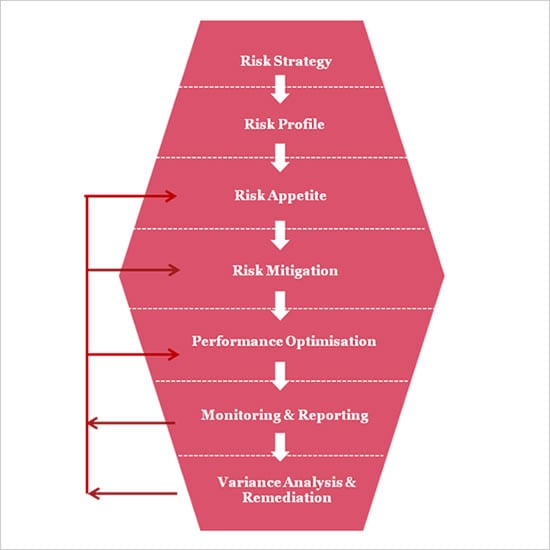
A compliance program is never "done." It requires continuous monitoring, evaluation, and adaptation. Regular internal and external audits are essential for assessing the effectiveness of compliance controls, identifying gaps, and ensuring adherence to policies. Audit findings should not be viewed as criticisms but as valuable opportunities for improvement.
The principle of continuous improvement means:
- Monitoring Key Performance Indicators (KPIs): Tracking metrics related to compliance training completion, incident rates, audit findings, and regulatory changes.
- Reviewing Policies and Procedures: Regularly updating internal policies to reflect new regulations or operational changes.
- Learning from Incidents: Analyzing any compliance failures or near misses to prevent recurrence.
- Adapting to Change: Proactively responding to changes in the regulatory landscape, market conditions, and business operations.
By embracing this cycle of assessment, adjustment, and refinement, businesses can ensure their compliance framework remains robust, relevant, and capable of supporting ongoing growth.
Conclusion
In an increasingly interconnected and regulated global economy, business compliance has transitioned from a necessary evil to a strategic imperative. It is no longer merely about avoiding fines and penalties, though these remain critical considerations. Instead, smart compliance is recognized as a proactive investment that safeguards reputation, builds trust, fosters operational efficiency, and, crucially, unlocks new opportunities for growth and market expansion.
From navigating complex data privacy laws to mastering financial regulations and ensuring ethical labor practices, the spectrum of compliance obligations is vast and dynamic. While challenges such as regulatory complexity and the initial investment can seem daunting, the long-term benefits of a robust compliance framework far outweigh the risks of non-compliance. By leveraging technology, cultivating a strong culture of integrity from the top down, and committing to continuous improvement, businesses can transform compliance from a burden into a powerful competitive advantage. Embracing smart business compliance is not just about staying out of trouble; it's about strategically positioning your organization for enduring success and sustainable growth in the modern business landscape.