Mastering Financial Forecasting

In the dynamic world of business, the ability to anticipate future financial performance is not merely an advantage but a necessity. This is where financial forecasting plays a pivotal role, serving as the compass that guides organizations through uncertain economic landscapes. It provides a data-driven estimation of future revenues, expenses, and capital needs, allowing companies to make informed strategic decisions.
Accurate financial forecasts are the bedrock of sound business planning. Without a clear projection of where the company is headed financially, businesses operate largely in the dark, making reactive rather than proactive choices. From small startups to multinational corporations, the discipline of peering into the financial future helps mitigate risks, identify opportunities, and optimize resource allocation.

The process extends beyond simple number crunching; it involves a deep understanding of market trends, economic indicators, internal operational efficiency, and even behavioral patterns. A well-executed forecast isn't about predicting the exact future with 100% accuracy, which is often impossible, but rather about creating a probable financial outlook that allows for proactive adjustments and strategic maneuvering.

This comprehensive guide will delve into the intricacies of financial forecasting, exploring its fundamental principles, essential methodologies, inherent challenges, and the best practices that enable organizations to master this critical discipline. By understanding and effectively implementing robust forecasting techniques, businesses can navigate complexity, achieve their objectives, and secure a sustainable future.
Understanding the Core of Financial Forecasting

At its essence, financial forecasting is the process of estimating the financial outcomes of an organization over a specified future period. These estimates typically include sales revenue, expenses, profits, cash flows, and capital expenditures. Unlike budgeting, which sets specific targets for the future, forecasting aims to predict what will happen based on current information and assumptions, often serving as a flexible projection that can be updated regularly.
The underlying purpose of financial forecasting is to provide management with a clear, forward-looking view of the company's financial health. This perspective enables proactive decision-making across all facets of the business. For instance, a sales forecast can inform production schedules, a cash flow forecast can highlight potential liquidity issues, and a profit forecast can guide investment decisions.
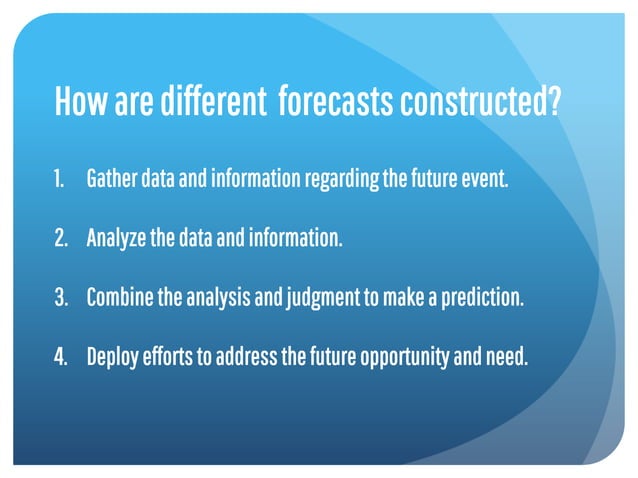
Forecasting is inherently iterative. It begins with historical data, which serves as a baseline, but then integrates current market conditions, economic outlooks, competitive landscapes, and internal operational changes. The accuracy of a forecast is heavily dependent on the quality of the input data and the validity of the assumptions made. Therefore, continuous monitoring and adjustment are crucial to maintain its relevance and utility.
Why Financial Forecasting is Indispensable for Business Success
The benefits of robust financial forecasting permeate every level of an organization, transforming reactive management into strategic leadership. It's not just a financial exercise; it's a strategic imperative that empowers businesses to anticipate, adapt, and grow.
Strategic Planning and Decision Making
Financial forecasting provides the essential data required for long-term strategic planning. Whether it's expanding into new markets, developing new products, or undertaking significant capital investments, accurate forecasts allow leadership to assess the financial viability and potential returns of various strategic initiatives. It helps evaluate different scenarios and choose the path most likely to lead to sustained growth and profitability. Without a clear financial trajectory, strategic plans risk being disconnected from reality.
Budgeting and Resource Allocation
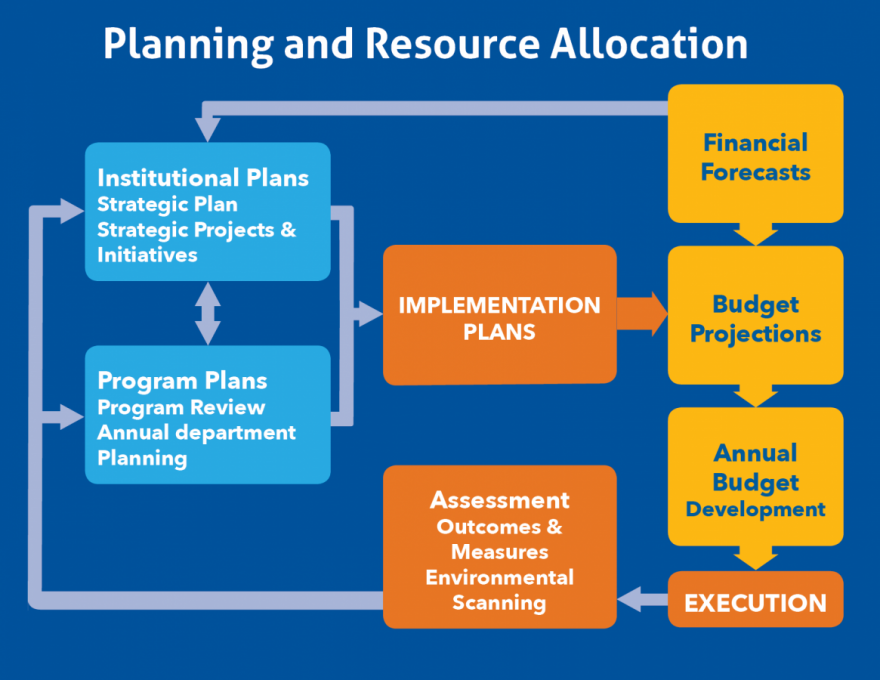
While distinct from budgeting, forecasting is a prerequisite for effective budget creation. Budgets are detailed plans for how resources will be used, and they rely heavily on financial forecasts to set realistic and achievable targets. By predicting future revenues and costs, companies can allocate capital, human resources, and operational expenses efficiently, ensuring that funds are directed towards areas that offer the highest return on investment or are critical for maintaining operations. This prevents overspending or under-resourcing key departments.
Risk Management and Mitigation
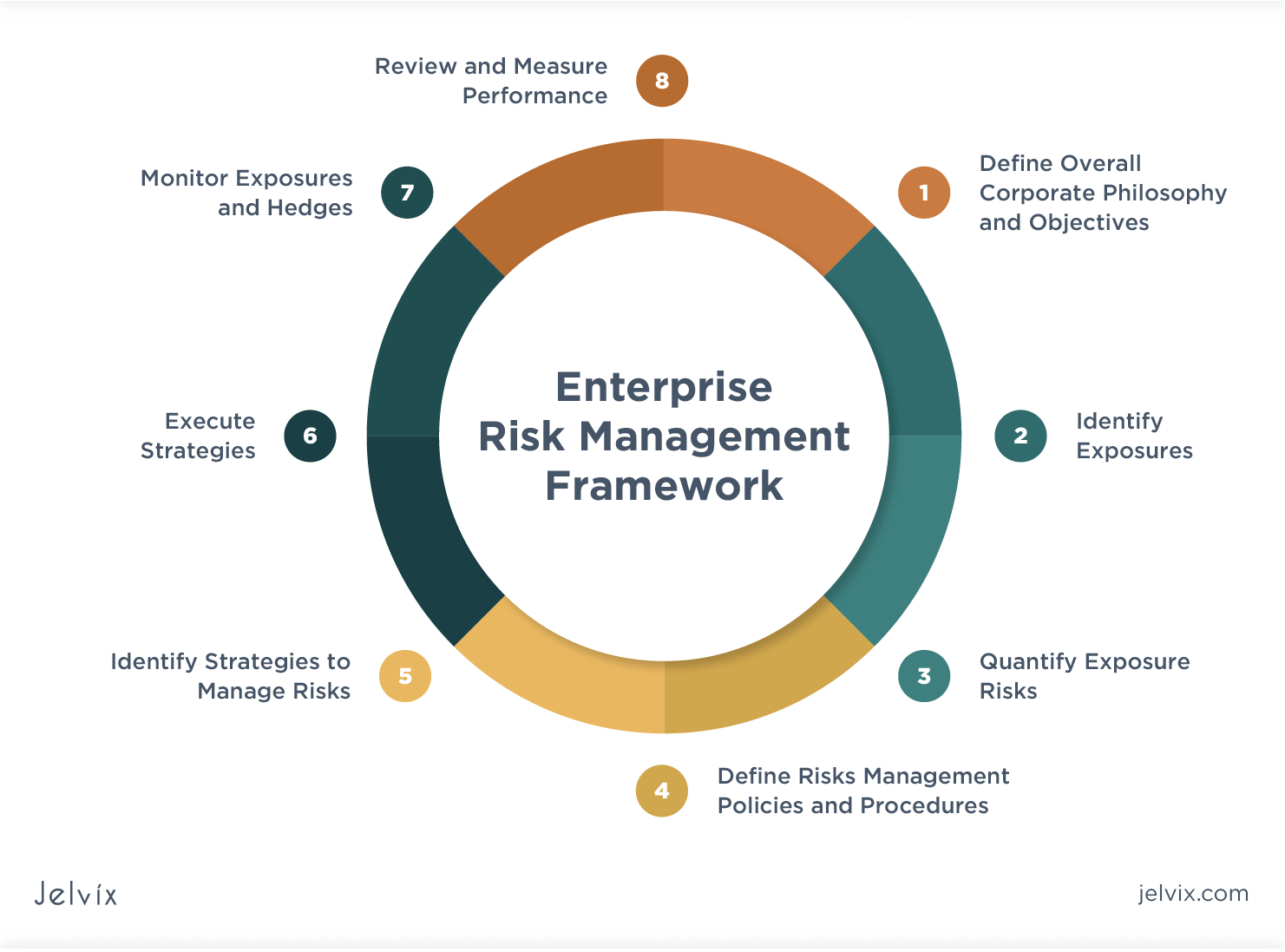
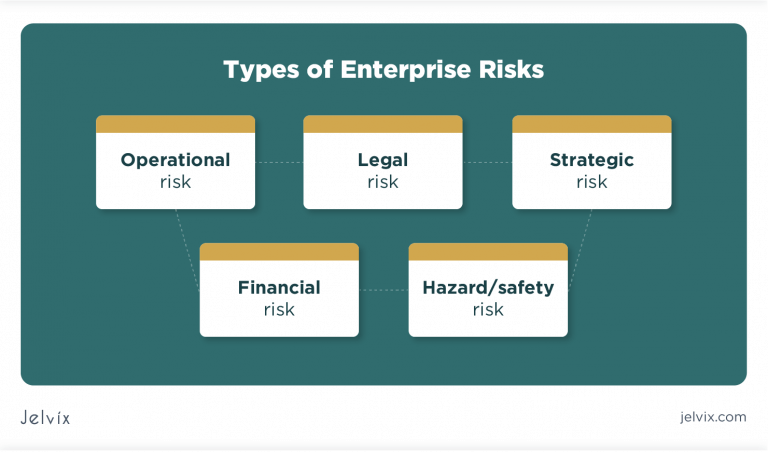
One of the most critical roles of financial forecasting is in identifying and mitigating potential financial risks. By projecting cash flows, for example, businesses can foresee periods of potential cash deficits and take proactive measures, such as securing lines of credit or adjusting payment terms. Similarly, by forecasting sales downturns, companies can implement cost-cutting measures before a crisis hits. This proactive risk assessment minimizes the impact of adverse market conditions or operational challenges.
Attracting Investors and Securing Funding
For businesses seeking external funding, a compelling and well-supported financial forecast is non-negotiable. Investors, banks, and other lenders require clear projections of future profitability, cash generation, and financial stability before committing capital. A meticulously prepared forecast demonstrates a company's understanding of its market, its operational efficiency, and its potential for growth, instilling confidence in potential financial partners and increasing the likelihood of securing necessary funding.
Key Methods and Approaches in Financial Forecasting
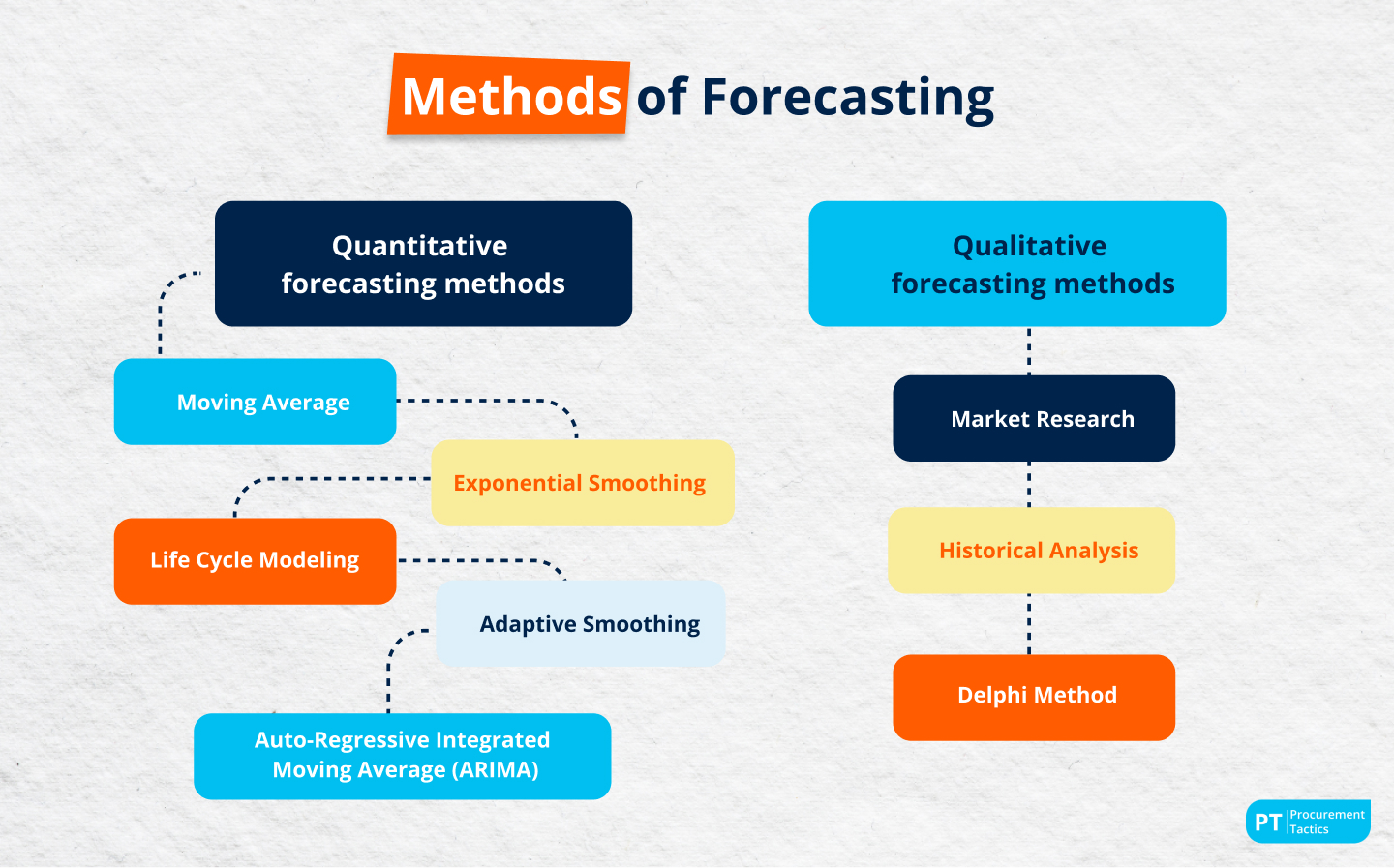
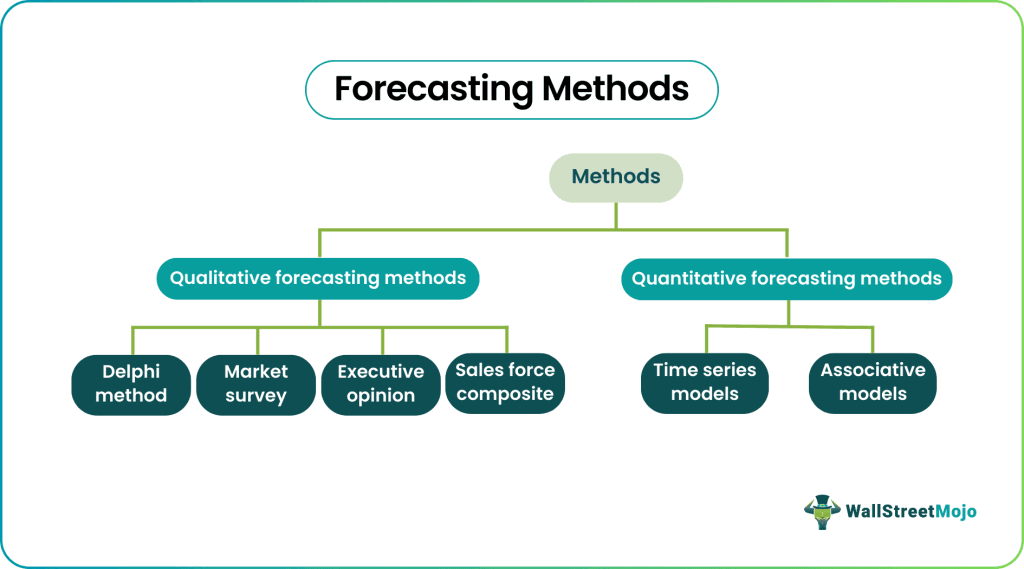
The methodologies employed in financial forecasting span a spectrum from highly qualitative judgments to sophisticated quantitative models. The choice of method often depends on the available data, the stability of the environment, and the specific forecasting objective.
Qualitative Forecasting Methods
Qualitative methods are typically used when historical data is scarce or unreliable, such as for new product launches or in rapidly changing markets. They rely on expert judgment, intuition, and subjective assessments.
- Delphi Method: This involves soliciting opinions from a panel of experts anonymously. The responses are compiled and redistributed, allowing experts to refine their estimates based on the group's input, leading to a consensus forecast.
- Market Research: Gathering data directly from potential customers through surveys, interviews, and focus groups can provide insights into future demand and preferences.
- Sales Force Opinion: Leveraging the direct insights of sales personnel who are on the front lines and understand customer needs and market trends can be valuable for short-term sales forecasts.
- Executive Opinion: The collective knowledge and experience of senior management can be a quick and effective way to generate forecasts, particularly for strategic, long-range predictions.
Quantitative Forecasting Methods
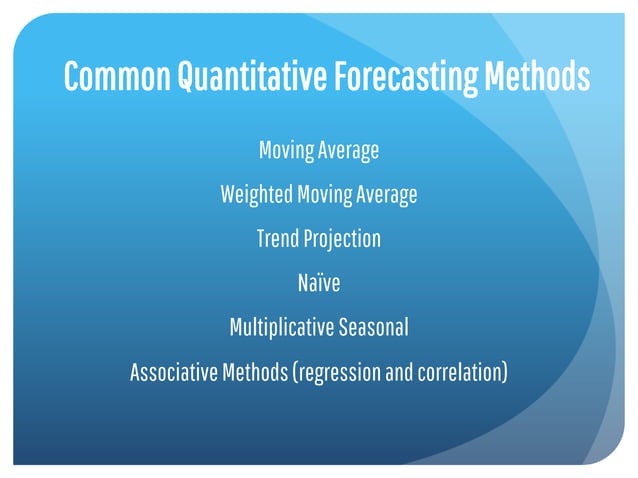
Quantitative methods leverage historical numerical data and statistical techniques to predict future outcomes. They are more objective and can identify patterns and trends that might not be apparent through qualitative approaches.
Time Series Analysis
Time series analysis involves studying past data points collected over a period to identify patterns, trends, seasonality, and cyclical variations. These patterns are then extrapolated into the future.
- Moving Averages: This simple method calculates the average of a specific number of past data points to smooth out fluctuations and predict the next period's value. It's effective for stable data but lags behind significant trends.
- Exponential Smoothing: Similar to moving averages but assigns exponentially decreasing weights to older data points, giving more importance to recent observations. It's more responsive to changes than simple moving averages.
- ARIMA (AutoRegressive Integrated Moving Average): A powerful and widely used statistical model that combines autoregression (relationship between an observation and a number of lagged observations), differencing (to make the time series stationary), and moving averages. It's suitable for complex time series with trends and seasonality.
Regression Analysis
Regression analysis establishes a statistical relationship between a dependent variable (the item being forecast, e.g., sales) and one or more independent variables (factors influencing the dependent variable, e.g., marketing spend, GDP, interest rates).
- Simple Linear Regression: Models the relationship between two variables using a straight line. For example, predicting sales based on advertising expenditure.
- Multiple Regression: Extends simple regression to include multiple independent variables, allowing for a more comprehensive model of influence. This can provide a more accurate forecast by accounting for various contributing factors.
Econometric Models
These are sophisticated models that integrate economic theory with statistical methods. They often use multiple regression techniques to forecast economic variables or their impact on a business. They can account for complex interactions between different economic indicators and business performance.
Data and Assumptions: The Foundation of Accurate Financial Forecasting
Regardless of the method chosen, the accuracy and reliability of any financial forecasting model are critically dependent on the quality of the input data and the validity of the underlying assumptions. Garbage in, garbage out – this adage holds particularly true for financial predictions.
Leveraging Historical Data
Historical financial statements (income statements, balance sheets, cash flow statements) are the primary sources of internal data. Analyzing past revenues, expenses, profit margins, and cash flow patterns provides a crucial baseline. Beyond financial statements, operational data such as sales volumes, customer acquisition costs, production costs, and inventory levels are equally vital. The longer and cleaner the historical data set, the more robust the insights that can be extracted for forecasting. However, it's essential to consider whether past trends are still relevant for future predictions, especially in rapidly changing environments.
Incorporating External Factors
A business does not operate in a vacuum. External economic, industry, and market factors significantly influence financial performance. These include:
- Macroeconomic Indicators: GDP growth, inflation rates, interest rates, unemployment rates, and consumer confidence indices can all impact demand, costs, and investment opportunities.
- Industry Trends: Changes in technology, regulatory environments, competitive landscape, and supply chain dynamics within a specific industry can drastically alter a company's financial outlook.
- Market Data: Pricing trends for raw materials, currency exchange rates, and commodity prices directly affect cost of goods sold and profitability, especially for businesses with international operations or significant material inputs.
- Demographic Shifts: Changes in population size, age distribution, or income levels can influence market size and consumer behavior.
The Role of Assumptions
Every financial forecast is built upon a set of assumptions about future events and conditions. These assumptions are often the most sensitive part of the forecast, as even small inaccuracies can lead to significant deviations in the projections. Common assumptions include:
- Sales Growth Rates: Based on market analysis, historical trends, and strategic initiatives.
- Cost of Goods Sold (COGS) as a Percentage of Revenue: Assumes a consistent relationship between sales and production costs.
- Operating Expense Ratios: Assumptions about salaries, marketing, rent, and administrative costs relative to revenue or over time.
- Capital Expenditures: Projections for future investments in property, plant, and equipment.
- Interest Rates and Debt Levels: Assumptions about future borrowing costs and repayment schedules.
- Tax Rates: Based on current and anticipated future tax legislation.
It is crucial to clearly document all assumptions and to understand their potential impact. Regularly reviewing and updating these assumptions is vital to maintain the forecast's relevance.
Overcoming Challenges in Financial Forecasting
While indispensable, financial forecasting is fraught with inherent challenges that can compromise its accuracy and utility. Recognizing these hurdles is the first step towards mitigating their impact.
Volatility and Uncertainty
The external environment is constantly evolving, making precise long-term predictions incredibly difficult. Economic downturns, geopolitical events, natural disasters, and rapid technological advancements can introduce unforeseen variables that invalidate even the most meticulously prepared forecasts. Market volatility, supply chain disruptions, and sudden shifts in consumer behavior are all factors that contribute to uncertainty. This necessitates flexibility and a willingness to adjust forecasts frequently.
Data Quality and Availability
The foundation of any robust quantitative forecast is high-quality, reliable historical data. However, businesses often face issues with incomplete data, inconsistent data collection methods, or data riddled with errors. Furthermore, for new businesses or those entering nascent markets, historical data may be scarce or non-existent, forcing reliance on less precise qualitative methods or industry benchmarks. Ensuring data integrity and availability is paramount.
Bias and Subjectivity
Human judgment plays a significant role in financial forecasting, especially when making assumptions or interpreting data. This introduces the potential for various biases:
- Optimism Bias: Managers may be overly optimistic about future sales or market conditions.
- Anchoring Bias: Over-reliance on initial estimates or past performance, even when conditions have changed.
- Confirmation Bias: Seeking out and interpreting information in a way that confirms existing beliefs.
- Political Bias: Adjusting forecasts to meet specific targets or to present a more favorable financial picture to stakeholders.
Mitigating bias requires transparency in assumptions, a culture of critical evaluation, and potentially involving multiple perspectives in the forecasting process.
Best Practices for Mastering Financial Forecasting
To truly master financial forecasting, organizations must move beyond simply generating numbers and embrace a holistic approach that integrates technology, collaboration, and continuous improvement.
Continuous Monitoring and Adjustment
Financial forecasts are living documents, not static reports. The external environment and internal operations are dynamic, meaning forecasts must be regularly updated to remain relevant. Implement a rigorous process for monitoring actual performance against forecasted figures. Identify variances, understand their root causes, and adjust future projections accordingly. This iterative process, often performed monthly or quarterly, ensures the forecast accurately reflects the most current reality.
Scenario Planning and Sensitivity Analysis
Given the inherent uncertainties, relying on a single "most likely" forecast is risky. Instead, effective forecasting involves developing multiple scenarios: a base case, a best-case (optimistic), and a worst-case (pessimistic) scenario.
- Scenario Planning: Explores the potential financial impact under different sets of assumptions or external conditions (e.g., a recession, a new competitor entering the market, a major product success). This helps management prepare for various eventualities.
- Sensitivity Analysis: Quantifies how much the forecast changes if a single key assumption (e.g., sales growth rate, raw material cost) varies by a certain percentage. This identifies the most critical drivers of the forecast and highlights areas of significant risk or opportunity.
Utilizing Technology and Tools
While spreadsheets remain a popular tool for financial forecasting, specialized software and advanced analytical tools offer significant advantages, especially for complex organizations or large datasets.
- Spreadsheet Software (e.g., Microsoft Excel, Google Sheets): Excellent for basic modeling, "what-if" analysis, and scenario building. However, they can become unwieldy for large-scale, collaborative forecasting and are prone to manual errors.
- Enterprise Resource Planning (ERP) Systems: Often include modules for financial planning and analysis (FP&A) that integrate forecasting with other business functions, providing a centralized data source.
- Business Intelligence (BI) and Analytics Platforms: Tools like Tableau, Power BI, or specialized FP&A software (e.g., Anaplan, Adaptive Planning, Workday Adaptive Planning) offer advanced data visualization, automation, and predictive analytics capabilities. These can process vast amounts of data, identify hidden patterns, and generate more sophisticated forecasts with greater efficiency and accuracy.
- Machine Learning (ML) and Artificial Intelligence (AI): Emerging technologies that can analyze historical data, identify complex patterns, and make highly accurate predictions, particularly for demand forecasting and risk assessment. These tools can automate much of the forecasting process and adapt to changing conditions.
Collaborative Approach and Cross-Functional Input
Effective financial forecasting is not solely the responsibility of the finance department. It requires input and buy-in from various departments across the organization. Sales teams provide insights into market demand, marketing teams share data on campaign effectiveness, operations teams offer information on production capacity and costs, and HR can forecast labor costs. A collaborative approach fosters ownership, improves the quality of input, and ensures that forecasts are aligned with operational realities and strategic goals.
Conclusion
Mastering financial forecasting is no longer a luxury but a fundamental requirement for any organization aiming for sustainable growth and resilience. It transcends mere number-crunching, acting as a strategic compass that guides decision-making, optimizes resource allocation, and helps mitigate unforeseen risks. From the foundational understanding of its core principles to the meticulous selection of appropriate methodologies and the diligent application of best practices, each step contributes to the robustness of the predictions.
By embracing a data-driven approach, leveraging both qualitative insights and quantitative models, and critically evaluating assumptions, businesses can construct forecasts that are both accurate and actionable. The integration of modern technology, coupled with a collaborative, cross-functional effort, further enhances the precision and utility of these financial projections. In an ever-evolving global landscape, the ability to anticipate future financial outcomes provides the clarity and agility needed to navigate uncertainty, seize opportunities, and ultimately secure a prosperous future.