Elevate Your Customer Experience Game

In today's hyper-competitive marketplace, the battlefield for consumer loyalty has shifted dramatically from product features and pricing to something far more intrinsic: customer experience. Businesses that thrive are not just selling goods or services; they are crafting memorable interactions, fostering deep connections, and building enduring relationships with their clientele. This holistic approach encompasses every touchpoint a customer has with a brand, from initial awareness and discovery through purchase, usage, and ongoing support. Understanding and mastering this intricate dance is no longer optional; it's the bedrock of sustainable growth and competitive differentiation.

The modern consumer is empowered by information and choice, demanding transparency, personalization, and seamless interactions across multiple channels. They expect brands to anticipate their needs, resolve issues proactively, and communicate with empathy. This elevated expectation means that a single negative encounter can swiftly erode years of brand building, leading to customer churn and detrimental word-of-mouth. Conversely, consistently positive experiences can transform customers into passionate advocates, driving organic growth and fortifying brand resilience.
Organizations that prioritize customer experience recognize that it's not merely a department's responsibility but a pervasive philosophy that must permeate every facet of their operation. It requires a fundamental shift in mindset, placing the customer at the absolute center of every decision, strategy, and innovation. This customer-centricity, when genuinely embraced, reshapes everything from product development and marketing to sales processes and post-purchase support.
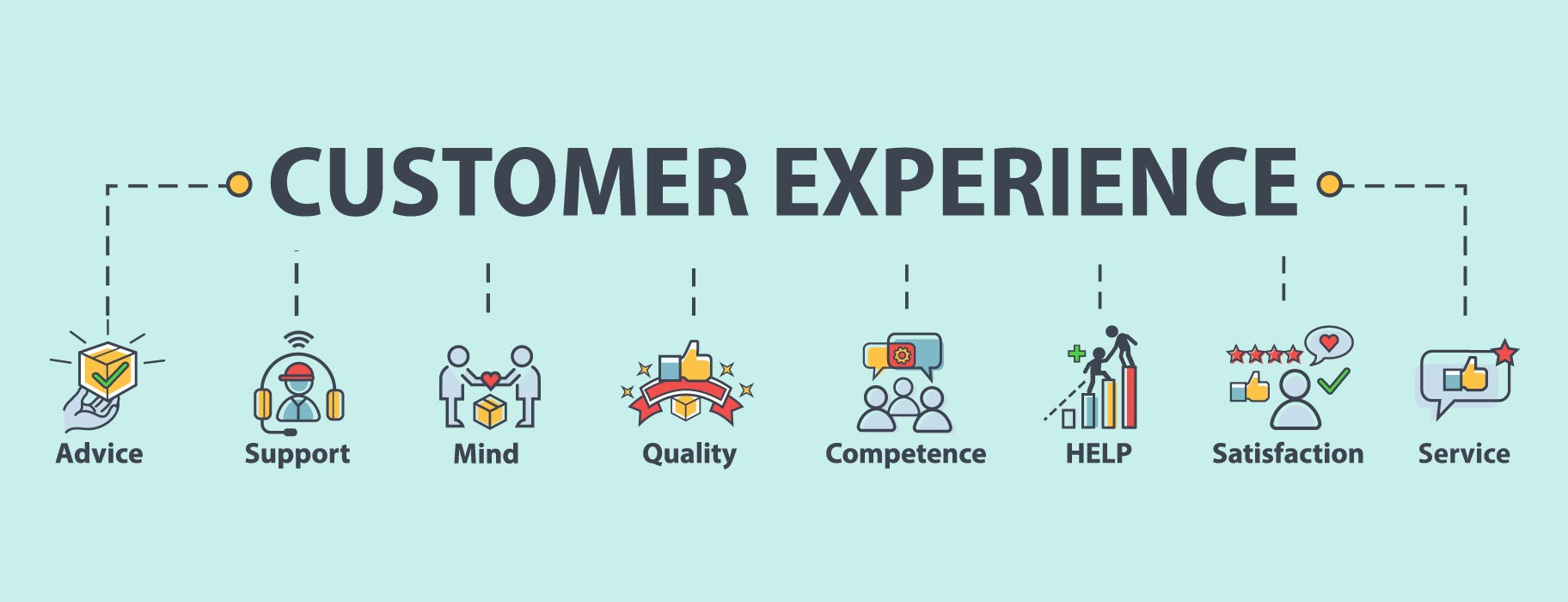
Investing in a superior customer experience yields tangible returns, including increased customer retention, higher lifetime value, stronger brand reputation, and improved employee engagement. It's a strategic imperative that directly impacts the bottom line, fostering loyalty in an era where switching costs are often negligible. Elevating your customer experience game is about building trust, fostering affinity, and creating a bond that transcends transactional relationships, turning fleeting interactions into lasting partnerships.
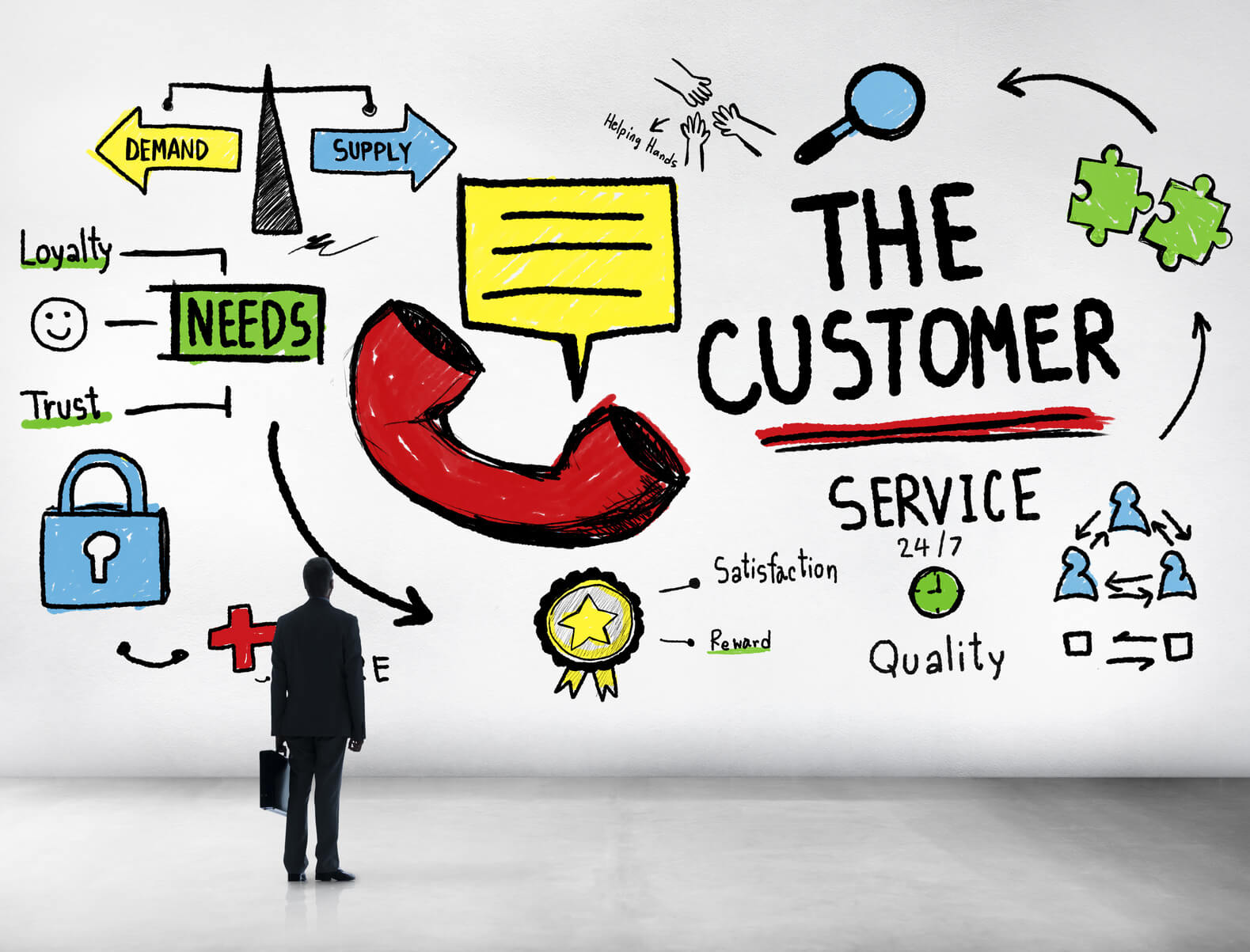
Understanding the Core of Customer Experience

At its heart, customer experience (CX) is the sum of all perceptions a customer has about a company based on every interaction. It's not just about a single moment, like a support call, but the cumulative feeling derived from an entire journey. This includes the ease of finding information on a website, the friendliness of a sales associate, the simplicity of the checkout process, the speed of delivery, and the responsiveness of customer service. Every single touchpoint contributes to the overarching sentiment a customer develops towards your brand.

Defining CX: More Than Just Service
While often conflated, customer service is a component of customer experience, but not the entirety of it. Customer service typically refers to the direct interactions customers have when seeking assistance or information. Customer experience, however, encompasses the entire journey, from the very first impression to the ongoing relationship. It's about designing a path that is intuitive, satisfying, and even delightful at every step. This involves understanding customer needs, preferences, and pain points before they even articulate them.

The Journey Mapping Imperative
To truly understand customer experience, businesses must engage in customer journey mapping. This process involves visualizing the entire path a customer takes when interacting with a brand, from beginning to end. It identifies all touchpoints, channels, and moments of truth, highlighting pain points, opportunities for improvement, and emotional highs and lows. A well-executed journey map helps uncover hidden frustrations, unfulfilled needs, and opportunities to create moments of unexpected delight. It's a powerful tool for fostering empathy within an organization and aligning diverse teams around a shared customer vision.

The Emotional Connection
Beyond efficiency and functionality, the emotional aspect of customer experience is paramount. How do customers feel when they interact with your brand? Do they feel valued, understood, frustrated, or ignored? Positive emotions foster loyalty and advocacy. Businesses that intentionally design experiences that evoke positive emotions – trust, happiness, relief, surprise, and delight – are the ones that build truly enduring relationships. This often comes down to the human touch, empathy, and the ability to anticipate and exceed expectations.

The Pillars of Exceptional Customer Experience
Building a truly exceptional customer experience rests on several foundational pillars, each contributing to a seamless and satisfying journey for your customers. Neglecting any one of these can lead to friction and dissatisfaction, undermining even the best intentions.

Personalization at Scale
In an age of abundant data, generic interactions are no longer acceptable. Customers expect businesses to understand their individual preferences, purchase history, and unique needs, then tailor interactions accordingly. Personalization goes beyond addressing a customer by name; it involves recommending relevant products, offering personalized support, and communicating through preferred channels. Leveraging data analytics and CRM systems enables businesses to deliver personalized experiences at scale, making each customer feel seen and valued.
Seamless Omnichannel Interactions
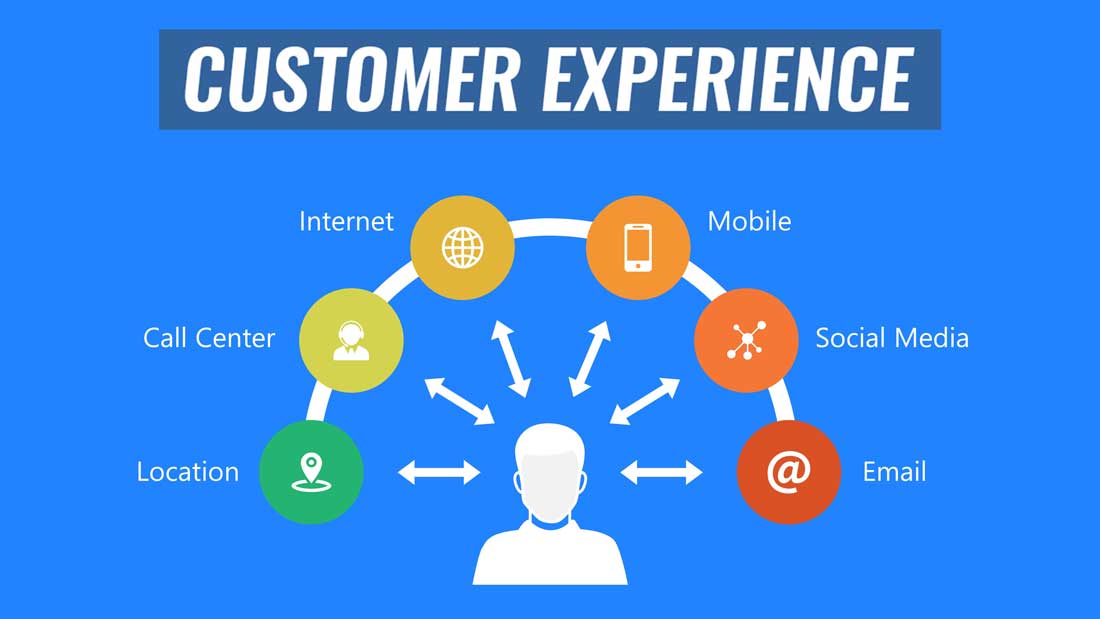
Customers interact with brands across a multitude of channels: websites, mobile apps, social media, email, phone, and in-person stores. An exceptional customer experience ensures that these channels are not siloed but seamlessly integrated. Customers should be able to start an interaction on one channel and continue it on another without repeating information or facing inconsistencies. This omnichannel approach provides flexibility and convenience, reflecting the fluid ways in which modern consumers engage.
Proactive Problem Solving
Great customer experience isn't just about reacting to problems; it's about anticipating and preventing them. This proactive approach involves using data to identify potential issues before they impact the customer, reaching out with solutions, or providing timely information. For instance, notifying a customer about a potential shipping delay before they even inquire or offering proactive maintenance tips for a product they purchased can turn a potential frustration into a moment of relief and appreciation.
Empathy and Human Touch
Despite the rise of technology, the human element remains irreplaceable. Training employees to be empathetic, understanding, and genuinely helpful is crucial. When customers face complex issues or emotional situations, the ability of a representative to listen, acknowledge their feelings, and respond with compassion can make all the difference. Empowering employees to make decisions that benefit the customer, rather than strictly adhering to rigid scripts, fosters authentic interactions and builds trust.
Leveraging Technology for Enhanced Customer Experience
Technology is not a substitute for human connection, but it is an incredibly powerful enabler of superior customer experience. When deployed strategically, technological solutions can automate mundane tasks, provide deeper insights, and facilitate personalized and proactive interactions.
CRM Systems as the Foundation
A robust Customer Relationship Management (CRM) system is the backbone of any modern customer experience strategy. It serves as a centralized database for all customer information, interactions, and touchpoints. A well-implemented CRM allows teams across sales, marketing, and service to have a unified view of the customer, enabling consistent communication, personalized outreach, and efficient problem resolution. It's crucial for tracking customer journeys and ensuring continuity.
AI and Machine Learning for Insights
Artificial Intelligence (AI) and Machine Learning (ML) are revolutionizing how businesses understand and interact with their customers. AI-powered analytics can process vast amounts of data to identify patterns, predict customer behavior, and uncover emerging trends. Predictive analytics can anticipate churn risks, suggest optimal product recommendations, and even forecast future needs. Chatbots, powered by AI, can handle routine inquiries, providing instant support and freeing up human agents for more complex issues, thereby enhancing the overall speed and efficiency of the customer experience.
Automation for Efficiency
Automation, often enabled by AI and integration with CRM systems, streamlines repetitive tasks, reducing friction for both customers and employees. Examples include automated order confirmations, personalized email marketing campaigns, self-service portals for FAQs, and automated responses to common queries. By automating these processes, businesses can ensure consistency, speed up response times, and allow their human teams to focus on high-value, complex interactions that truly require a personal touch.
Data Analytics: Understanding Your Customers
The ability to collect, analyze, and act upon customer data is fundamental to optimizing customer experience. Beyond basic demographic information, businesses need to analyze interaction data, feedback, sentiment, and behavioral patterns. This deep dive into analytics helps identify pain points in the customer journey, measure the effectiveness of CX initiatives, and pinpoint opportunities for improvement. Data-driven insights ensure that decisions about customer experience improvements are based on evidence, not assumptions.
Building a Customer-Centric Culture
Technology and processes are essential, but the true differentiator in customer experience is a deeply embedded customer-centric culture. This culture is one where every employee, from the CEO to the front-line staff, understands their role in delivering exceptional experiences and is empowered to do so.
Employee Experience (EX) and CX Alignment
There's an undeniable link between employee experience (EX) and customer experience (CX). Happy, engaged, and well-supported employees are far more likely to deliver outstanding service and cultivate positive customer interactions. Investing in employee training, fostering a supportive work environment, and empowering staff to solve customer problems are crucial. When employees feel valued and understood by their organization, they naturally extend that same care and understanding to customers. This alignment ensures that internal culture supports external customer goals.
Leadership Buy-in and Vision
A customer-centric culture cannot flourish without strong leadership buy-in and a clear vision. Leaders must champion the importance of customer experience, allocate necessary resources, and lead by example. They need to communicate the CX vision consistently across the organization, ensuring that it becomes a shared priority rather than just a departmental initiative. Without this top-down commitment, efforts to improve customer experience are likely to be fragmented and short-lived.
Training and Empowerment
Front-line employees are the face of your brand. They need comprehensive training not just on products and policies, but also on soft skills like active listening, empathy, conflict resolution, and effective communication. More importantly, they need to be empowered to make decisions that resolve customer issues efficiently, without unnecessary escalation. This trust in employees not only speeds up resolutions but also boosts employee morale and confidence.
Feedback Loops and Continuous Improvement
A truly customer-centric culture embraces feedback, both positive and negative, as a gift. It establishes robust feedback loops, allowing insights from customers and employees to flow freely throughout the organization. This continuous stream of information fuels a culture of constant learning and improvement. Regular reviews of CX metrics, customer comments, and employee suggestions should inform ongoing strategic adjustments and tactical refinements.
Measuring and Optimizing Your Customer Experience Strategy
To ensure your efforts in improving customer experience are yielding tangible results, it's essential to measure, analyze, and continuously optimize your strategies. Without clear metrics and a commitment to iteration, even well-intentioned initiatives can fall short.
Key CX Metrics: NPS, CSAT, CES
Several key performance indicators (KPIs) are widely used to gauge customer experience:
* Net Promoter Score (NPS): Measures customer loyalty by asking how likely customers are to recommend your product or service to others.
* Customer Satisfaction Score (CSAT): Gathers feedback on satisfaction with a specific interaction or overall experience, often asked immediately after a touchpoint.
* Customer Effort Score (CES): Measures how much effort a customer had to exert to get an issue resolved or a request fulfilled. A lower CES typically indicates a better experience.
Other valuable metrics include customer retention rate, churn rate, average resolution time, and lifetime value.
Gathering Feedback: Surveys, Reviews, Social Listening
Collecting feedback from various sources provides a comprehensive view of the customer experience.
* Surveys: Post-interaction, periodic, or targeted surveys can gather specific insights.
* Online Reviews and Ratings: Monitoring platforms like Google, Yelp, and industry-specific review sites offers unfiltered public feedback.
* Social Listening: Tracking mentions and sentiment on social media reveals real-time customer perceptions and allows for proactive engagement.
* Direct Interviews/Focus Groups: For deeper qualitative insights, engaging directly with customers can uncover nuances not captured by quantitative data.
Iteration and Improvement Cycles
Optimizing customer experience is not a one-time project; it's an ongoing cycle of improvement. This involves:
1. Analyze Data: Regularly review all collected CX metrics and feedback to identify trends, pain points, and areas of opportunity.
2. Formulate Hypotheses: Based on data, hypothesize potential solutions or changes that could improve the experience.
3. Implement Changes: Roll out small, controlled changes or pilot programs.
4. Monitor & Measure: Track the impact of the changes on relevant CX metrics.
5. Learn & Adjust: Based on the results, refine your approach and repeat the cycle. This iterative process ensures continuous improvement and responsiveness to evolving customer needs.
Common Pitfalls and How to Avoid Them in Customer Experience
While the pursuit of an excellent customer experience is universally recognized as vital, many organizations stumble along the way. Recognizing common pitfalls is the first step toward avoiding them and building truly resilient and customer-centric operations.
Siloed Departments
One of the most significant impediments to a seamless customer experience is departmental silos. When sales, marketing, service, and product teams operate independently without shared goals or communication, the customer journey becomes disjointed. A customer might experience one message from marketing, a different one from sales, and yet another from customer support, leading to confusion and frustration. Breaking down these silos through cross-functional collaboration, shared CRM systems, and unified customer journey maps is crucial.
Neglecting Employee Experience
As previously mentioned, a poor employee experience almost inevitably translates into a poor customer experience. If employees are disengaged, overworked, undertrained, or feel undervalued, they cannot genuinely deliver empathetic and effective service. Ignoring employee morale, providing insufficient resources, or failing to empower staff creates internal friction that directly impacts external interactions. Prioritizing employee well-being, training, and empowerment is an investment in your customer experience.
Over-Reliance on Automation
While automation is a powerful tool for efficiency and consistency, an over-reliance on it can dehumanize the customer experience. Customers want quick answers for simple queries, but when complex or sensitive issues arise, they crave genuine human interaction. Automated systems that are difficult to navigate, fail to understand context, or make it impossible to reach a human agent can lead to immense frustration. The key is to find the right balance, using automation for routine tasks and reserving human intervention for high-value, empathetic interactions.
Ignoring Negative Feedback
It's tempting to dismiss or downplay negative feedback, but doing so is a missed opportunity. Negative feedback is a valuable gift, highlighting weaknesses and areas for improvement. Ignoring it signals to customers that their opinions don't matter, leading to resentment and churn. Proactively seeking out, acknowledging, and responding constructively to negative feedback – both publicly and privately – demonstrates a commitment to improvement and can even turn a dissatisfied customer into a loyal one. It's about viewing complaints as opportunities for growth.
Future Trends Shaping Customer Experience
The landscape of customer experience is constantly evolving, driven by technological advancements, changing consumer expectations, and global shifts. Businesses that stay ahead of these trends will be best positioned to thrive.
Hyper-Personalization and Predictive Analytics
Beyond basic personalization, the future will see hyper-personalization, where AI and predictive analytics enable businesses to anticipate individual customer needs and preferences with uncanny accuracy. This means offering solutions before a problem is even articulated, or suggesting products that align perfectly with a customer's lifestyle based on a vast array of data points. This level of foresight will make interactions feel incredibly intuitive and tailored.
Immersive Technologies (VR/AR)
Virtual Reality (VR) and Augmented Reality (AR) are poised to transform how customers interact with products and services. Imagine "trying on" clothes in a virtual dressing room, visualizing furniture in your home before purchase, or receiving remote technical support via an AR overlay that guides you step-by-step. These immersive technologies promise to create highly engaging and realistic experiences that bridge the gap between digital and physical realms.
Ethical AI and Data Privacy
As AI becomes more pervasive, the ethical implications of data collection and algorithmic decision-making will come under increasing scrutiny. Customers are becoming more aware and concerned about their data privacy. Future customer experience strategies will need to prioritize transparency in data usage, build trust through ethical AI practices, and give customers greater control over their personal information. Brands that demonstrate a strong commitment to privacy and ethical AI will build deeper trust and loyalty.
Conclusion
Elevating your customer experience game is no longer a strategic option but a fundamental requirement for success in the modern business world. It transcends simple customer service, encompassing every interaction and emotion a customer experiences with your brand. From understanding the core principles of CX and leveraging powerful technologies like CRM and AI, to cultivating a truly customer-centric culture and continuously measuring performance, every aspect plays a crucial role.
The journey to an exceptional customer experience is iterative, requiring a commitment to continuous improvement, a willingness to listen to feedback, and the courage to address internal challenges. By prioritizing personalization, fostering seamless omnichannel interactions, embracing proactive problem-solving, and cultivating empathy, businesses can transform mere transactions into meaningful relationships. Ultimately, a superior customer experience is the most potent differentiator, fostering unwavering loyalty, driving positive word-of-mouth, and ensuring sustained growth in an increasingly competitive landscape.