Forge Your Competitive Advantage

In today's hyper-competitive marketplace, businesses and individuals alike constantly seek an edge, a distinguishing factor that sets them apart from the multitude. This elusive yet vital element is known as a competitive advantage. It's not merely about being better; it's about being uniquely better in a way that creates superior value for customers, allowing a business to outperform its rivals and achieve sustainable success. Without a clearly defined and actively nurtured competitive advantage, an entity risks being commoditized, battling on price alone, and ultimately fading into irrelevance.
Understanding the nuances of competitive advantage is paramount for strategic planning and execution. It involves a deep dive into an organization's internal capabilities, external market forces, and the needs and preferences of its target audience. This advantage can manifest in various forms, from innovative products and superior customer service to efficient operations and strong brand recognition. Identifying, building, and maintaining this edge is an ongoing process, requiring constant vigilance, adaptation, and a proactive approach to market dynamics.
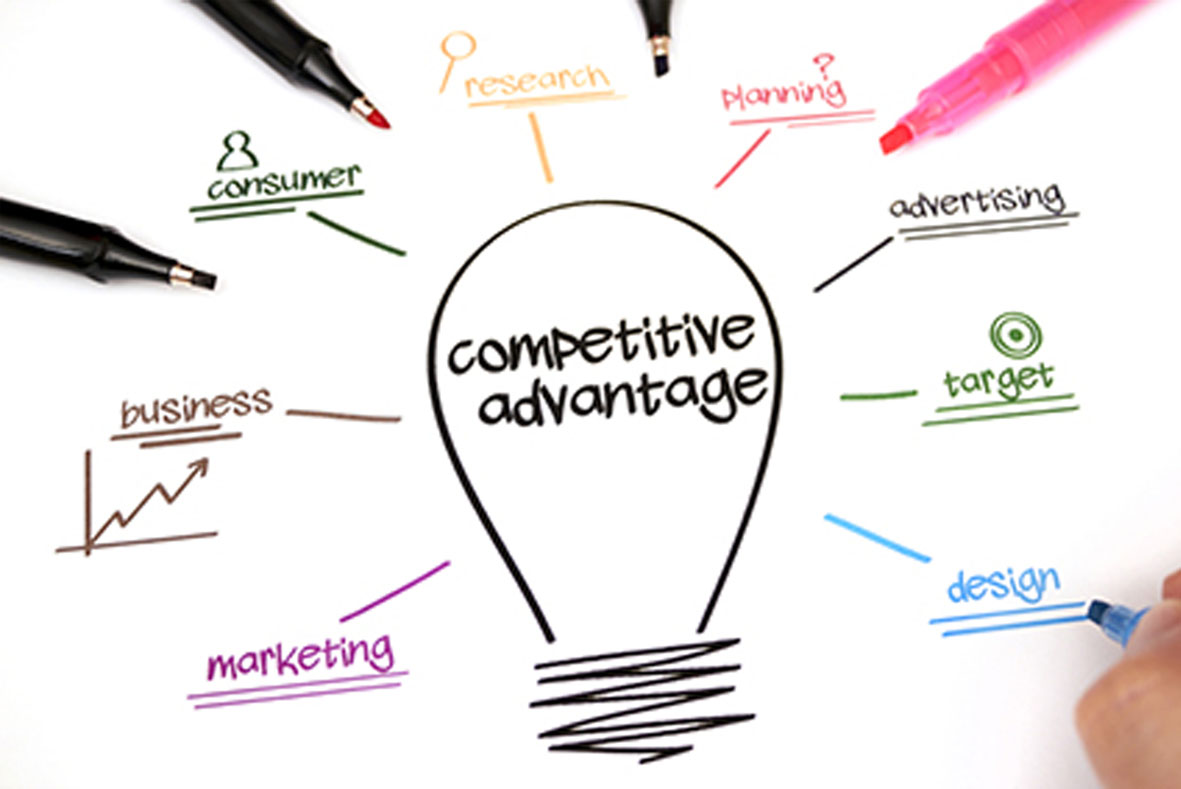
The journey to forge a robust competitive advantage is rarely straightforward. It demands introspection to identify core competencies, external analysis to understand the competitive landscape, and foresight to anticipate future trends. Organizations must be willing to invest in areas that differentiate them, whether through research and development, employee training, or technology adoption. The ultimate goal is to create a position that is difficult for competitors to imitate, erode, or surpass, ensuring long-term viability and growth in an ever-evolving global economy. This article will explore the multifaceted nature of competitive advantage, its various sources, and the strategic approaches necessary to build and sustain it.

Understanding the Core of Competitive Advantage

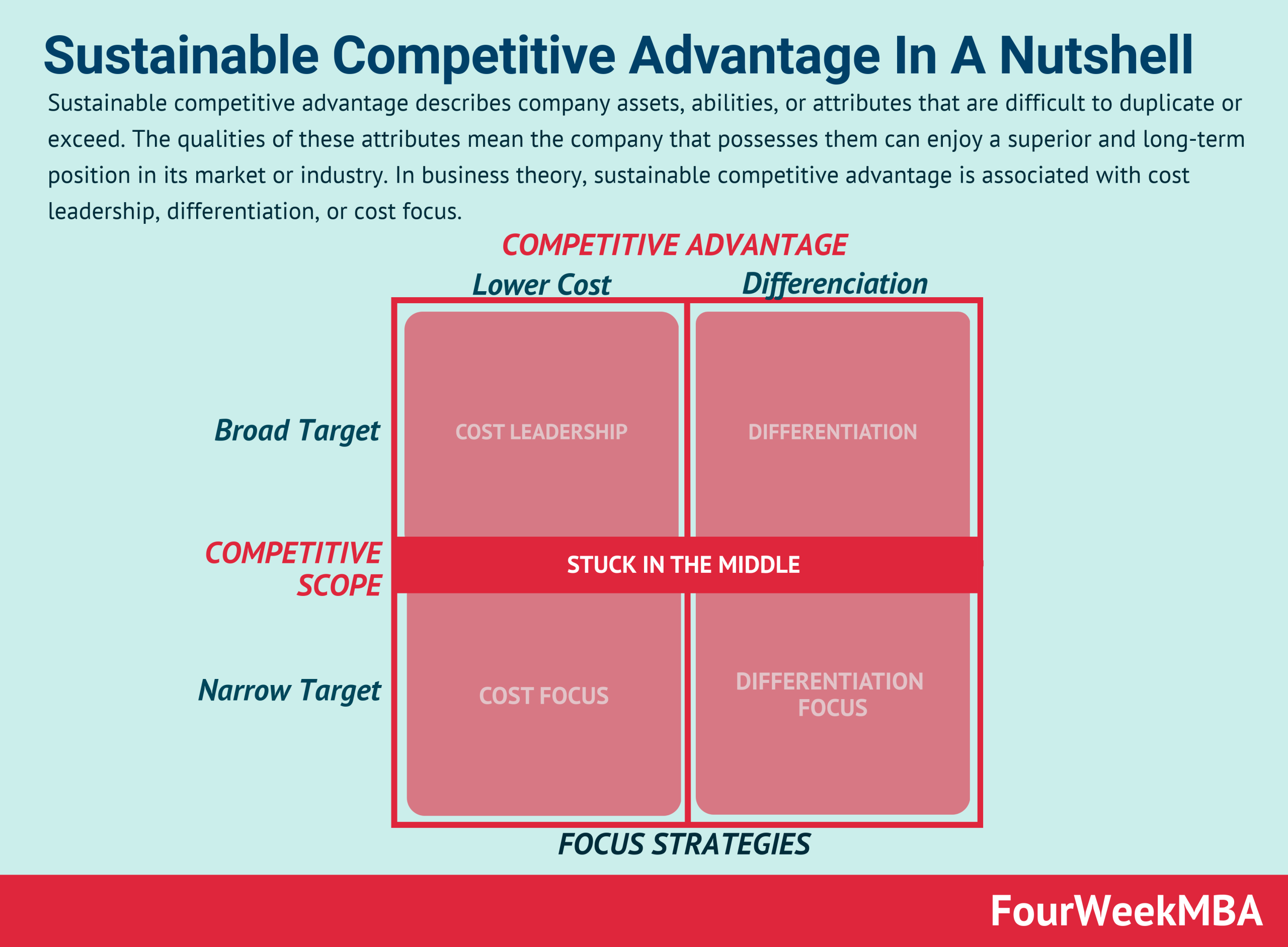
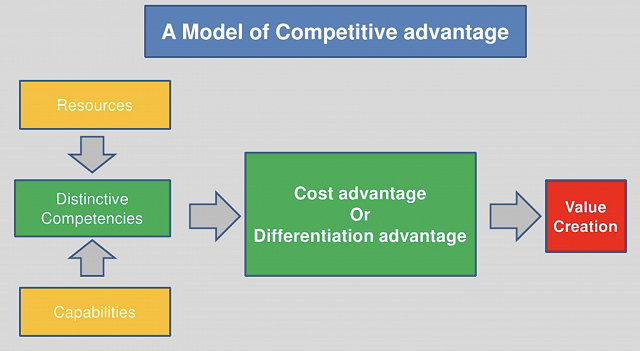
At its heart, competitive advantage refers to a set of unique characteristics of a company that enables it to achieve higher profits, market share, or customer satisfaction than its competitors. It’s about creating superior value for customers while simultaneously generating superior returns for the firm. This superiority can stem from various sources, but generally, it boils down to two fundamental strategies articulated by Michael Porter: cost leadership and differentiation.
Cost leadership involves producing goods or services at a lower cost than competitors, allowing the company to offer lower prices, gain market share, or maintain higher profit margins at competitive prices. This strategy typically requires efficient operations, economies of scale, tight cost controls, and access to cheaper resources. Think of large discount retailers or budget airlines that thrive on their ability to offer products or services at prices that competitors struggle to match.

Differentiation, on the other hand, focuses on offering unique products or services that are perceived as having superior value by customers. This allows the company to command premium prices, fostering customer loyalty and reducing sensitivity to price changes. Differentiation can be achieved through superior product quality, innovative features, exceptional customer service, strong brand image, or unique distribution channels. Luxury brands, specialized software companies, or highly personalized service providers often pursue this strategy.
It's also possible for companies to pursue a focus strategy, where they target a specific, narrow market segment and apply either a cost leadership or differentiation approach within that niche. This allows them to tailor their offerings precisely to the needs of a smaller group, achieving a strong competitive advantage within that segment. Regardless of the specific approach, the underlying principle is to establish a distinct and valuable position in the market that competitors find difficult to replicate.
Pillars of Sustainable Competitive Advantage
A truly sustainable competitive advantage isn't a fleeting success; it's an enduring capability that consistently allows a business to outperform. Building such an advantage requires focusing on specific pillars that are difficult for rivals to imitate or neutralize.

Innovation and Technology
Constant innovation in products, services, processes, or business models is a powerful driver of competitive advantage. Companies that invest heavily in research and development, embracing emerging technologies like AI, blockchain, or advanced robotics, can create offerings that are superior, more efficient, or entirely new, establishing a first-mover advantage. Technological superiority can lead to lower costs, enhanced quality, faster delivery, or completely new value propositions that competitors simply cannot match in the short term. This requires a culture that encourages experimentation, learning, and rapid iteration.

Brand and Reputation
A strong brand identity and a stellar reputation can be an invaluable source of competitive advantage. A trusted brand fosters customer loyalty, reduces perceived risk, and can command premium pricing. Reputation is built over time through consistent delivery of quality, ethical practices, excellent customer service, and strong corporate social responsibility. A positive brand image acts as a barrier to entry for new competitors and can withstand market fluctuations better than a generic offering. Customers are often willing to pay more for a brand they trust and identify with, regardless of minor price differences.
Operational Excellence and Efficiency
Achieving operational excellence means excelling in every aspect of business operations, from supply chain management and manufacturing to logistics and customer support. Companies that master efficiency can produce goods or services at lower costs, deliver them faster, or offer higher quality with fewer errors. This translates directly into a cost advantage or a superior customer experience. Streamlined processes, robust quality control systems, and continuous improvement methodologies like Lean or Six Sigma are crucial for building this type of competitive edge. This pillar often underpins a cost leadership strategy.
Customer Relationships and Experience
In an increasingly service-oriented economy, fostering exceptional customer relationships and delivering a superior customer experience can be a significant differentiator. This goes beyond mere customer service and encompasses every touchpoint a customer has with a brand. Understanding customer needs deeply, offering personalized solutions, providing seamless support, and building emotional connections can cultivate intense loyalty. This loyalty reduces churn, encourages repeat business, and transforms customers into brand advocates, creating a valuable and hard-to-replicate asset.
Unique Resources and Capabilities
Some companies possess unique resources or capabilities that are rare, valuable, inimitable, and non-substitutable (VRIN framework). These might include patented technologies, exclusive access to raw materials, highly specialized knowledge within their workforce, proprietary data, a unique distribution network, or a strong organizational culture that fosters innovation and collaboration. Such assets provide a formidable barrier to imitation, allowing the company to sustain its competitive advantage over long periods.
Analyzing Your Competitive Landscape
To truly forge your competitive advantage, you must first understand the battlefield. Analyzing the competitive landscape is not just about identifying direct rivals; it's about understanding the broader forces that shape industry profitability and your potential for unique positioning.
Porter's Five Forces Analysis
Michael Porter's Five Forces Framework is an indispensable tool for analyzing industry attractiveness and the strength of competitive forces. By understanding these forces, a company can identify opportunities to strengthen its position and build a sustainable advantage.
- Threat of New Entrants: How easy or difficult is it for new competitors to enter the market? High barriers to entry (e.g., high capital requirements, strong brand loyalty, regulatory hurdles, economies of scale) protect existing firms and enhance profitability.
- Bargaining Power of Buyers: How much power do customers have to drive down prices or demand higher quality/more services? If buyers are concentrated, purchase large volumes, or face low switching costs, their power is high.
- Bargaining Power of Suppliers: How much power do suppliers have to raise prices or reduce the quality of inputs? If there are few suppliers, unique inputs, or high switching costs for the buying firm, supplier power is high.
- Threat of Substitute Products or Services: How likely are customers to switch to alternatives from other industries that fulfill the same need? Strong substitutes limit the potential for price increases and market growth.
- Rivalry Among Existing Competitors: How intense is the competition among existing firms? Factors like industry growth rate, product differentiation, and exit barriers influence the degree of rivalry.
By assessing these forces, a business can identify areas where competition is weakest, where it can build defenses, or where it can innovate to shift the balance of power in its favor.
SWOT Analysis
A SWOT analysis (Strengths, Weaknesses, Opportunities, Threats) provides an internal and external assessment that complements the Five Forces.
- Strengths (Internal): What does the company do well? What unique resources or capabilities does it possess? These are potential sources of competitive advantage.
- Weaknesses (Internal): Where does the company struggle? What areas need improvement? These can hinder the development of a competitive edge.
- Opportunities (External): What favorable external factors could the company leverage? Market trends, technological advancements, or regulatory changes can open new avenues.
- Threats (External): What unfavorable external factors could harm the company? Economic downturns, new competitors, or changing consumer preferences pose risks.
A comprehensive SWOT analysis helps a company understand its current competitive position and identify potential strategies to capitalize on strengths and opportunities while mitigating weaknesses and threats, ultimately informing how to build and maintain its competitive advantage.
Strategies to Build and Sustain Your Competitive Advantage
Building a competitive advantage is an ongoing journey, not a destination. It requires continuous effort, strategic planning, and adaptive execution.
Continuous Improvement and Adaptation
Markets are dynamic, and customer needs evolve. A static advantage quickly erodes. Companies must embed a culture of continuous improvement, constantly seeking ways to enhance products, optimize processes, and deliver greater value. This involves regular feedback loops, performance monitoring, and a willingness to iterate and adapt quickly to market changes, technological advancements, and competitor moves. Agility is key to maintaining relevance.
Strategic Alliances and Partnerships
Collaborating with other organizations through strategic alliances, joint ventures, or partnerships can be a powerful way to leverage complementary strengths and create a combined competitive advantage that neither party could achieve alone. This could involve co-developing new technologies, expanding into new markets, sharing distribution networks, or pooling resources for large-scale projects. Such collaborations can unlock new efficiencies, expand reach, and accelerate innovation.
Talent Management and Human Capital
Your employees are often your most critical asset. Investing in talent management, including recruitment, training, development, and retention of skilled and motivated individuals, can create an invaluable competitive advantage. A highly skilled, engaged, and innovative workforce can drive product development, deliver superior customer service, and execute strategies more effectively than competitors. Fostering a strong organizational culture that values learning, collaboration, and performance is essential.
Data-Driven Decision Making
In the digital age, data is gold. Companies that effectively collect, analyze, and leverage data to inform their decisions gain a significant competitive edge. This includes understanding customer behavior, market trends, operational efficiencies, and competitor activities. Data analytics can reveal insights that lead to better product design, targeted marketing campaigns, optimized supply chains, and proactive problem-solving, allowing for more informed and strategic moves.
The Evolving Nature of Competitive Advantage
The concept of competitive advantage is not static; it is fluid and constantly evolving. What constitutes a strong advantage today might be commonplace tomorrow. The rapid pace of technological change, globalization, shifting consumer preferences, and unforeseen disruptions (like pandemics or geopolitical events) mean that companies must continuously reassess and reinvent their sources of advantage.
The shift from tangible assets to intangible assets, such as intellectual property, brand equity, customer data, and organizational culture, highlights this evolution. Furthermore, the rise of network effects, where the value of a product or service increases with the number of users, has created new forms of competitive advantage for platforms and ecosystems. Companies like social media giants or ride-sharing services benefit immensely from these effects, creating formidable barriers to entry for new players.
To stay relevant, businesses must cultivate an organizational capability for learning, unlearning, and relearning. This involves fostering a culture of experimentation, embracing failure as a learning opportunity, and decentralizing decision-making to allow for quicker responses to market signals. The most resilient companies are not those with the biggest static advantage, but those with the strongest capacity for dynamic capabilities – the ability to integrate, build, and reconfigure internal and external competences to address rapidly changing environments. This continuous strategic agility is, in itself, a powerful form of competitive advantage in the 21st century.
Conclusion
Forging a competitive advantage is the cornerstone of sustainable success in any industry. It's about strategically positioning your entity to deliver unique value that differentiates you from the competition, allowing you to capture market share, build customer loyalty, and achieve superior financial performance. Whether through cost leadership, differentiation, or a focused niche strategy, the path to a lasting edge requires deep introspection, rigorous market analysis, and relentless execution.
The most potent competitive advantages are those that are valuable, rare, inimitable, and non-substitutable. These are often rooted in intangible assets like a strong brand, innovative capabilities, operational excellence, exceptional customer relationships, or a unique organizational culture. However, simply identifying these pillars is not enough. The true challenge lies in the continuous effort required to build, maintain, and adapt these advantages in the face of ever-changing market dynamics. By embracing continuous improvement, leveraging strategic partnerships, nurturing human capital, and making data-driven decisions, businesses can not only establish their competitive advantage but also ensure its resilience and relevance for years to come. In essence, the journey to forge your competitive advantage is a never-ending cycle of innovation, adaptation, and strategic foresight.