Master Your Future Financial Forecasting

In today's rapidly evolving economic landscape, the ability to predict future financial outcomes is not merely an advantage but a necessity. This is where financial forecasting comes into play, serving as a critical discipline that empowers businesses, investors, and individuals to make informed decisions by estimating future revenues, expenses, and cash flows. It involves using historical data, current market trends, and various assumptions to project a company's financial performance over a specified period. Without accurate forecasts, strategic planning becomes guesswork, and potential risks can go unnoticed, leading to suboptimal resource allocation and missed opportunities.
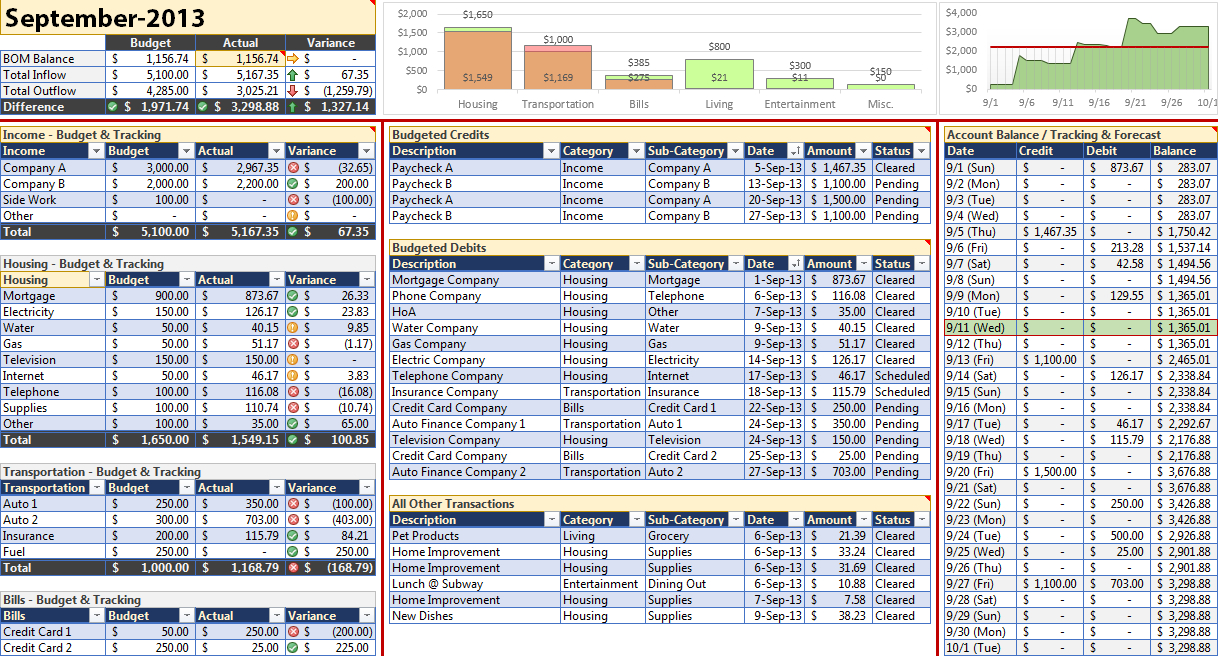
Effective financial forecasting provides a robust framework for setting realistic goals, identifying potential shortfalls, and proactively adjusting strategies. It moves beyond simply reacting to market changes, allowing organizations to anticipate them and position themselves for growth. From securing funding and managing inventory to planning for expansion or contraction, almost every significant business decision hinges on a reliable projection of financial health.
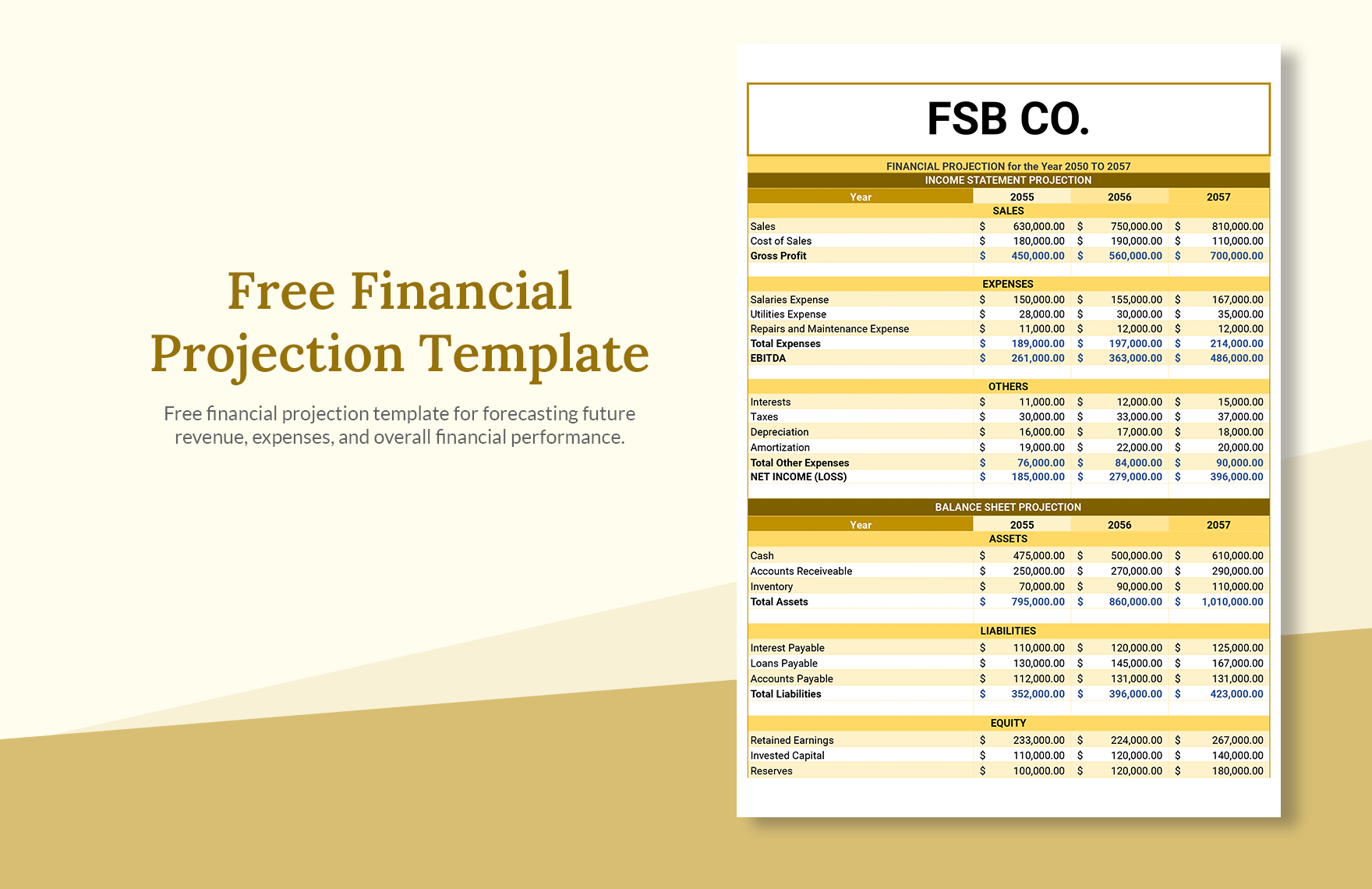
Moreover, in an era characterized by global economic shifts and rapid technological advancements, the art and science of financial forecasting have become more sophisticated. Advanced analytical tools and vast datasets enable more precise predictions than ever before. However, the human element—expert judgment, critical thinking, and a deep understanding of market dynamics—remains indispensable. It's about blending quantitative analysis with qualitative insights to paint a comprehensive picture of what the future might hold financially.

This comprehensive guide will delve into the intricacies of financial forecasting, exploring its fundamental principles, diverse methodologies, essential components, and best practices. By understanding and mastering these elements, you can equip yourself with the knowledge to navigate financial complexities, mitigate risks, and steer your financial future toward desired outcomes. Whether you are a business owner, a financial analyst, or simply keen to understand the mechanics behind sound financial planning, mastering financial forecasting is a skill that offers profound benefits.
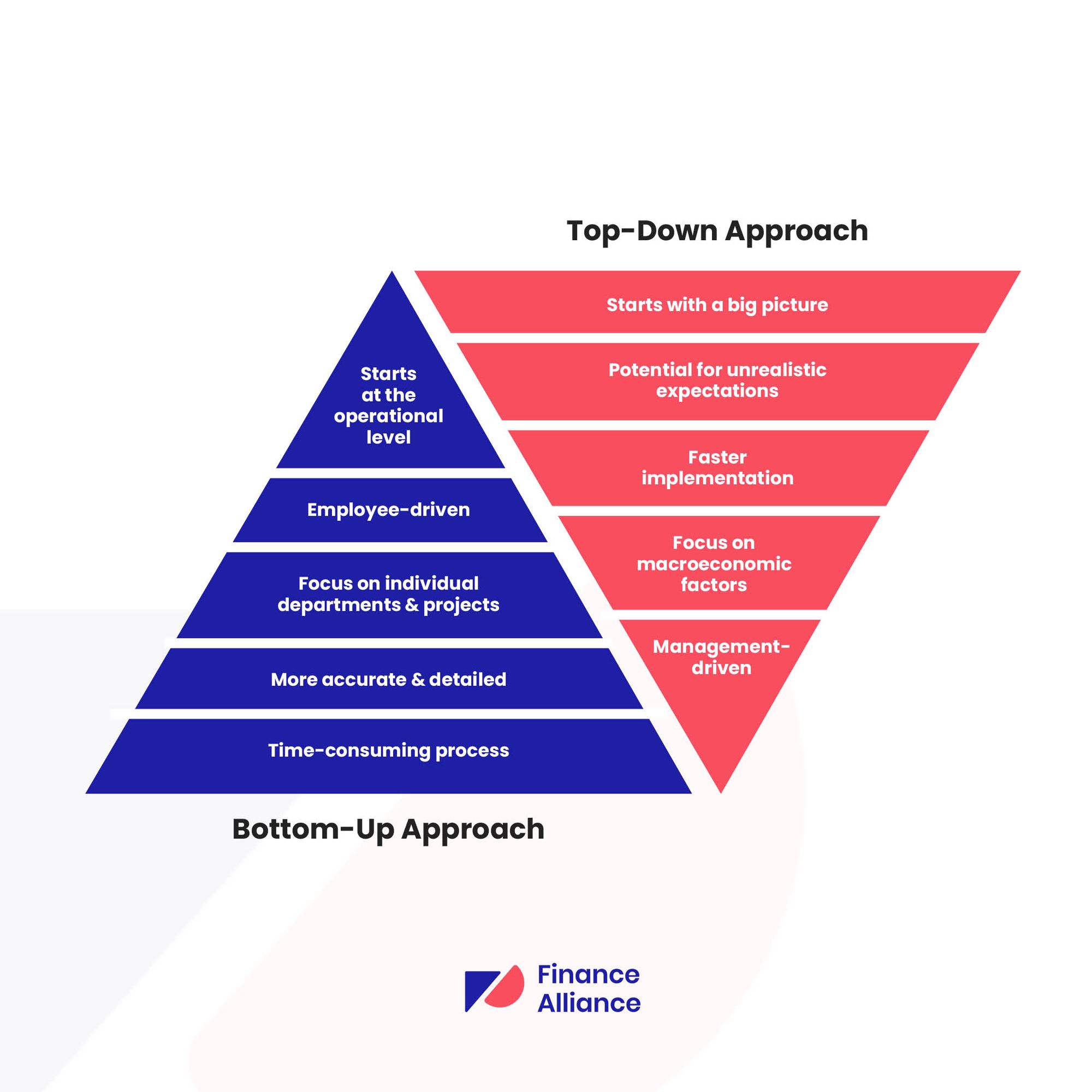
Understanding Financial Forecasting: More Than Just Numbers
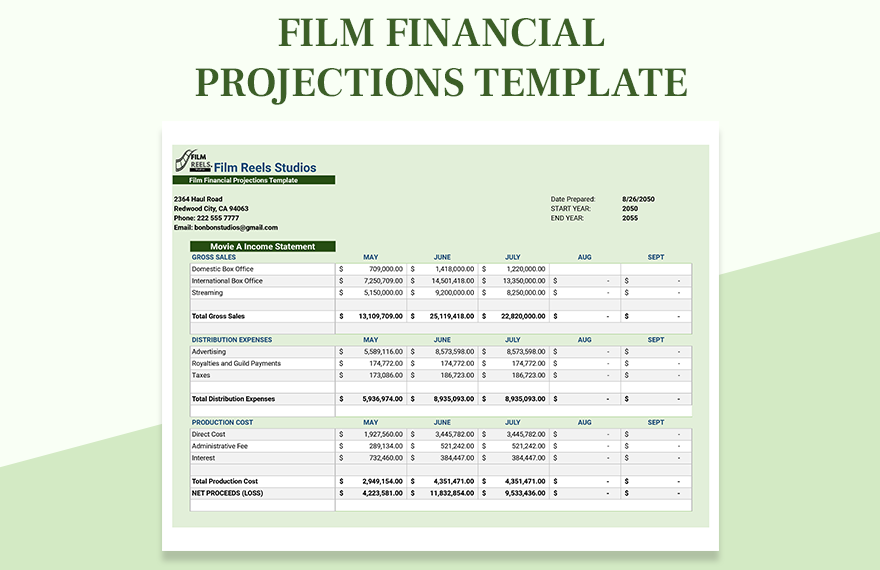
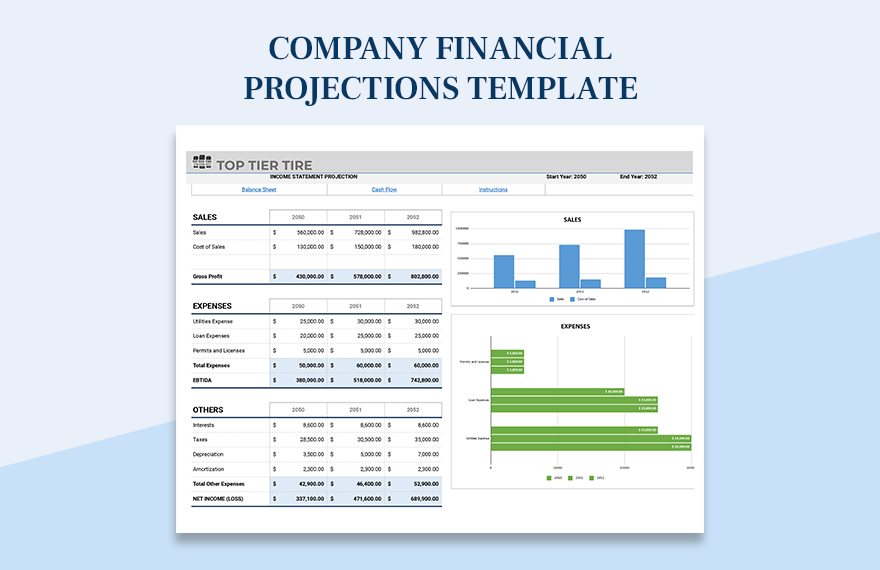
Financial forecasting is the process of estimating a company's future financial performance. It's not about crystal-ball gazing but rather about using available data, analytical techniques, and reasonable assumptions to create probable financial scenarios. The core output typically includes projected income statements, balance sheets, and cash flow statements, which are vital for both internal planning and external communication with stakeholders.
What is Financial Forecasting?
At its heart, financial forecasting is an analytical exercise designed to predict an organization's future financial position and results of operations. It involves taking historical data, analyzing current trends, and incorporating known future events (like planned investments, product launches, or policy changes) to build a model of expected financial performance. The outcome of a forecast serves as a roadmap, guiding decision-making across various departments. Unlike a budget, which is a plan for what should happen, a forecast is a prediction of what will happen based on current information and assumptions. While budgets are static and reviewed periodically, forecasts are dynamic and can be updated frequently to reflect changing circumstances.
Why Financial Forecasting is Indispensable
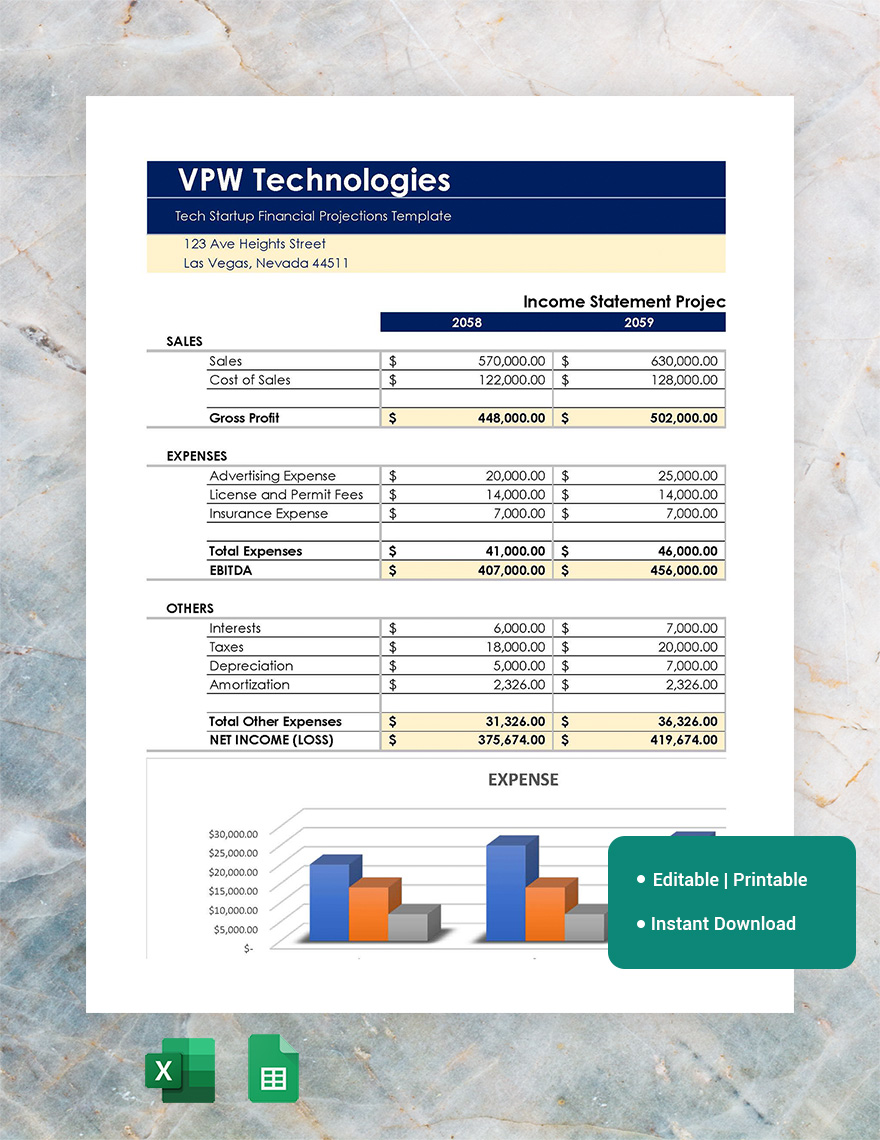
The importance of accurate financial forecasting cannot be overstated. It permeates every level of an organization, from daily operational decisions to long-term strategic planning.

- Strategic Planning and Goal Setting: Forecasts provide the financial foundation for strategic objectives. By understanding potential future revenues and costs, businesses can set realistic and achievable goals, such as market share targets, profitability benchmarks, or expansion plans.
- Budgeting and Resource Allocation: Forecasting informs the budgeting process, ensuring that resources are allocated efficiently to areas that will yield the highest returns. It helps prevent overspending in some areas and underfunding in others, optimizing operational efficiency.
- Risk Management and Contingency Planning: By projecting potential financial downturns or cash flow shortages, forecasts enable businesses to identify and mitigate risks proactively. Companies can then develop contingency plans, such as securing lines of credit or diversifying revenue streams, to weather adverse conditions.
- Investor Relations and Funding: Accurate forecasts are crucial for attracting investors and securing loans. Lenders and investors rely on robust financial projections to assess a company's viability, growth potential, and ability to repay debts or generate returns.
- Performance Monitoring and Evaluation: Forecasts serve as benchmarks against which actual performance can be measured. Discrepancies between forecast and actual results provide valuable insights, allowing management to understand why performance deviated and make necessary adjustments.
- Operational Decision-Making: From inventory management and production scheduling to staffing levels and pricing strategies, many operational decisions are influenced by financial forecasts, ensuring alignment with overall financial health.
The Core Methodologies of Financial Forecasting
The selection of a forecasting methodology depends on various factors, including the availability of data, the time horizon, the industry's stability, and the level of precision required. Methodologies broadly fall into two categories: qualitative and quantitative.

Qualitative Forecasting Methods
Qualitative methods are subjective and rely on expert opinions, judgments, and intuition, especially when historical data is scarce or irrelevant (e.g., for new products or emerging markets).
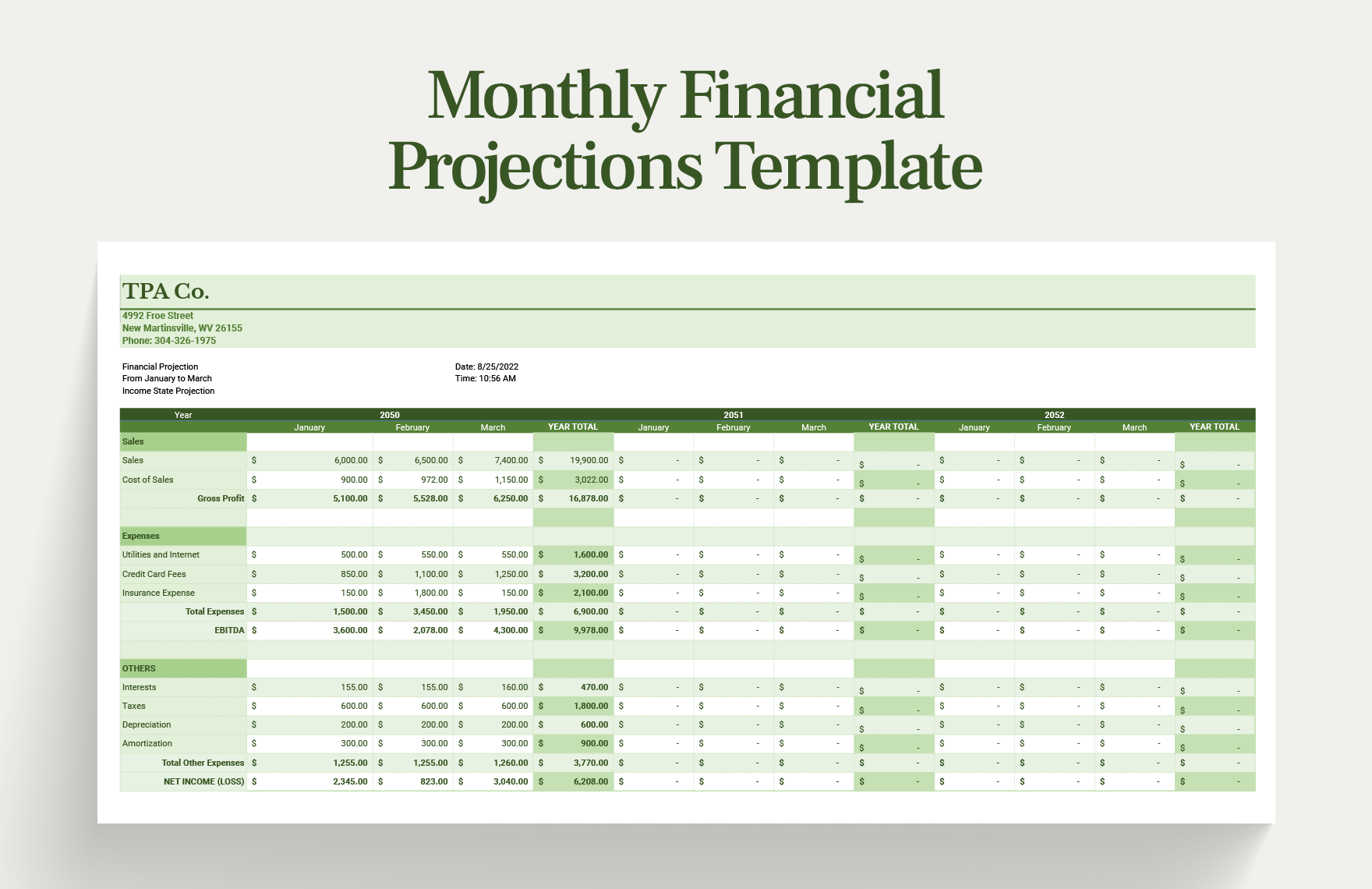
- Delphi Method: This technique involves soliciting opinions from a panel of experts through a series of structured questionnaires. Responses are aggregated and fed back to the experts, allowing them to refine their estimates iteratively until a consensus is reached. This minimizes the influence of individual biases.
- Market Research: Gathering data from customers, suppliers, and distributors through surveys, interviews, and focus groups can provide valuable insights into future demand, market trends, and competitive landscapes.
- Sales Force Opinion: Salespeople, being on the front lines, often have direct knowledge of customer needs and buying intentions, which can be invaluable for short-term sales forecasts.
- Executive Opinion: High-level executives, with their broad understanding of the company and industry, can provide valuable insights, though their opinions might sometimes be influenced by optimism or specific departmental biases.
Quantitative Forecasting Methods
Quantitative methods are objective and rely on historical data and statistical analysis to predict future outcomes. They are most suitable when there is ample historical data and a stable relationship between past and future events.
- Time Series Analysis: This method assumes that historical patterns will continue into the future. It analyzes data points collected over a period to identify trends, seasonal variations, cyclical patterns, and random fluctuations.
- Moving Averages: Simple moving averages smooth out short-term fluctuations to highlight longer-term trends. Weighted moving averages give more importance to recent data.
- Exponential Smoothing: Similar to moving averages, but it assigns exponentially decreasing weights to older observations. It's highly effective for short-term forecasting.
- ARIMA (AutoRegressive Integrated Moving Average): A sophisticated statistical model used for time series data that exhibits trends, seasonality, and other complex patterns. It combines autoregression (dependence on past values), differencing (to make the series stationary), and moving averages (dependence on past forecast errors).
- Regression Analysis: This method explores the relationship between a dependent variable (what you want to forecast, e.g., sales) and one or more independent variables (factors that influence the dependent variable, e.g., advertising spend, economic growth).
- Simple Linear Regression: Examines the relationship between one dependent variable and one independent variable.
- Multiple Regression: Accounts for the influence of multiple independent variables on the dependent variable, providing a more comprehensive model.
- Econometric Models: These are advanced models that combine statistical methods with economic theory to forecast economic variables. They often involve systems of equations that represent the complex interdependencies within an economy.
Key Elements and Data Inputs for Accurate Financial Forecasting
Regardless of the methodology chosen, accurate financial forecasting relies on a clear understanding of the key financial statements and the data that feeds into them. The primary components include projections for revenue, expenses, and their impact on cash flow and the balance sheet.
Revenue Projections
Forecasting revenue is often the starting point, as it drives many other financial metrics.
* Sales Volume: Estimating the quantity of goods or services expected to be sold. This can be influenced by market size, customer acquisition rates, product demand, and competitive activity.
* Pricing Strategy: The anticipated average selling price per unit. Factors like competitive pricing, cost of goods sold, and market positioning influence this.
* Growth Rates: Historical growth rates are often a baseline, adjusted for market saturation, new product introductions, or economic conditions.
* New Product/Service Launches: Specific projections for new offerings, which may require qualitative input initially.
Expense Forecasting
Predicting future costs is equally vital for profitability and cash flow.
* Cost of Goods Sold (COGS): Directly tied to sales volume and production costs (raw materials, labor, manufacturing overhead).
* Operating Expenses:
* Selling, General & Administrative (SG&A): Includes salaries, rent, utilities, marketing, and administrative costs. Some are fixed, while others are variable with sales or activity levels.
* Research & Development (R&D): Planned expenditures for innovation and product development.
* Depreciation & Amortization: Non-cash expenses related to the wear and tear of assets and amortization of intangible assets. These are typically predictable based on asset schedules.
* Interest Expense: Dependent on existing debt and planned borrowing.
Cash Flow Forecasting
This is perhaps the most critical component, showing how cash moves in and out of the business.
* Operating Activities: Cash generated from core business operations (e.g., cash sales, payments to suppliers, employee wages).
* Investing Activities: Cash used for or generated from investments (e.g., purchasing or selling property, plant, and equipment; investments in other companies).
* Financing Activities: Cash related to debt, equity, and dividends (e.g., loan repayments, issuing new shares, paying dividends).
Balance Sheet Projections
Forecasting future assets, liabilities, and equity provides a snapshot of the company's financial position at a given point in time.
* Assets: Accounts receivable (influenced by sales and collection policies), inventory (tied to sales and production), fixed assets (based on capital expenditure plans).
* Liabilities: Accounts payable (influenced by purchases), debt (based on borrowing and repayment schedules).
* Equity: Retained earnings (influenced by net income and dividends), new equity issuance.
The Step-by-Step Process of Effective Financial Forecasting
A structured approach is essential for accurate and actionable financial forecasting. While the specific steps may vary slightly depending on the organization and complexity, a general framework involves several key stages.
Defining Objectives and Scope
Before diving into numbers, clarify what the forecast is for. Is it for a new product launch, a capital expenditure decision, or annual budgeting? Define the time horizon (short-term, medium-term, long-term), the level of detail required, and the specific metrics to be forecasted (e.g., revenue, profit, cash flow). Establishing clear objectives ensures the forecast is relevant and actionable.
Data Collection and Preparation
This crucial step involves gathering all relevant historical financial data (sales records, expense reports, balance sheets, cash flow statements). Beyond internal data, collect external information such as economic indicators (GDP growth, inflation rates), industry trends, competitor performance, and regulatory changes. Data needs to be cleaned, validated, and organized to ensure accuracy and consistency before analysis. Incomplete or inaccurate data can significantly compromise the forecast's reliability.
Model Selection and Development
Based on the objectives and data availability, select the most appropriate forecasting methodology (qualitative, quantitative, or a hybrid). Develop the forecasting model. This could involve creating spreadsheets, using specialized software, or building statistical models. Define the key assumptions that will underpin the forecast (e.g., projected market growth rate, average sales price, cost per unit). Documenting these assumptions is vital for transparency and future analysis.
Running the Forecast and Analysis
Execute the chosen model using the prepared data and assumptions. Generate the projected financial statements (income statement, balance sheet, cash flow statement). Once the initial forecast is complete, critically analyze the results. Do they make sense? Are they realistic given market conditions and strategic plans? Identify any outliers or surprising outcomes and investigate their root causes. Perform sensitivity analysis by changing key assumptions to see how the forecast responds – this helps understand potential risks and opportunities.
Monitoring and Adjustment
Financial forecasting is an iterative process, not a one-time event. Regularly compare actual financial results against the forecast. Identify deviations and analyze the reasons behind them. Are the original assumptions still valid, or have market conditions changed? Based on this monitoring, update and refine the forecast periodically (e.g., monthly, quarterly). This continuous feedback loop helps improve the accuracy of future forecasts and enables timely adjustments to business strategies.
Overcoming Challenges in Financial Forecasting
Despite its undeniable benefits, financial forecasting is not without its difficulties. Various factors can impede accuracy and reliability, necessitating careful attention and proactive strategies.
Data Quality Issues
One of the most significant hurdles is the quality of historical data. Inaccurate, incomplete, or inconsistent data can lead to skewed forecasts. Data silos, manual data entry errors, and a lack of standardized reporting can all contribute to poor data quality. Overcoming this requires robust data governance policies, automated data collection systems, and regular data auditing to ensure integrity.
Market Volatility and Unforeseen Events
Economic recessions, natural disasters, geopolitical instability, or sudden technological disruptions can dramatically alter market conditions, rendering previous forecasts obsolete. These unforeseen "black swan" events are difficult, if not impossible, to predict with precision. The best approach is to incorporate scenario planning and sensitivity analysis into the forecasting process. By modeling various "what-if" scenarios (e.g., optimistic, pessimistic, most likely), businesses can assess their resilience and prepare contingency plans for different outcomes.
Bias and Assumptions
Human bias, whether conscious or unconscious, can significantly impact forecasts. Over-optimism from sales teams, conservative estimates from finance departments, or anchoring to past performance can distort projections. Additionally, the assumptions made are only as good as the information and judgment behind them. Overcoming bias requires diverse perspectives, transparent documentation of assumptions, and rigorous independent review. Regularly challenging and validating assumptions based on new information is also crucial.
Integration with Business Strategy
Sometimes, forecasts are developed in isolation from the broader business strategy. If the financial projections don't align with the strategic goals (e.g., ambitious growth targets without corresponding investment in sales and marketing), they become irrelevant. Effective forecasting requires strong collaboration between finance, operations, sales, marketing, and other departments to ensure that financial projections accurately reflect strategic initiatives and operational capabilities.
Best Practices for Mastering Your Financial Forecasting
To truly master financial forecasting and leverage it as a strategic tool, organizations should adopt several best practices that enhance accuracy, flexibility, and actionable insights.
Regular Review and Adjustment
Financial forecasting is an ongoing process. Economic conditions, market dynamics, and internal performance are constantly evolving. Therefore, forecasts should not be set in stone. Regular reviews—monthly or quarterly—are crucial to compare actual results against projections. This allows for timely identification of deviations and understanding of their root causes. Based on these insights, forecasts should be adjusted and refined to reflect the most current information and outlook. This iterative process improves accuracy over time and ensures the forecast remains a relevant decision-making tool.
Scenario Planning and Sensitivity Analysis
Given the inherent uncertainties in the future, relying on a single "most likely" forecast can be risky. Instead, effective financial forecasting incorporates scenario planning. This involves developing multiple forecasts based on different sets of assumptions (e.g., optimistic, pessimistic, and baseline scenarios). Sensitivity analysis complements this by testing how changes in a single key variable (e.g., sales volume, raw material cost) impact the overall forecast. These techniques provide a more comprehensive view of potential outcomes, allowing management to understand risks, identify opportunities, and build resilience into their strategies.
Collaboration Across Departments
Accurate financial forecasting is a team effort. It requires input and alignment from various departments, not just the finance team. Sales and marketing can provide insights into customer demand and market trends. Operations can contribute data on production capacity and supply chain constraints. HR can inform on staffing levels and compensation costs. Engineering and R&D provide timelines and costs for new product development. By fostering cross-functional collaboration, the forecast becomes more robust, realistic, and gains broader organizational buy-in.
Leveraging Technology
Manual forecasting methods, especially for complex organizations, are prone to errors and can be time-consuming. Modern forecasting software and financial planning and analysis (FP&A) platforms offer advanced capabilities like statistical modeling, real-time data integration, automated reporting, and interactive dashboards. These tools can handle vast amounts of data, run complex calculations, and facilitate scenario analysis with greater speed and accuracy. Investing in the right technology can significantly enhance the efficiency and effectiveness of the forecasting process, freeing up analysts to focus on strategic insights rather than data crunching.
Focus on Key Drivers
While comprehensive, a good forecast doesn't get bogged down in excessive detail for every single line item. Instead, it identifies and focuses on the key drivers that significantly impact the business's financial performance. For a retail business, these might be average transaction value, customer traffic, and inventory turnover. For a software company, it might be customer churn rate, subscription growth, and average revenue per user. By concentrating on these critical variables and understanding their interdependencies, forecasters can build more accurate and manageable models.
Conclusion
Financial forecasting is far more than a mere numerical exercise; it is a foundational pillar of sound business strategy and financial health. It empowers organizations to peer into the future, anticipate challenges, seize opportunities, and allocate resources with precision. From enabling proactive decision-making and efficient resource allocation to mitigating risks and fostering investor confidence, the benefits of mastering this discipline are profound and far-reaching.
While the journey of mastering financial forecasting involves navigating complexities like data quality, market volatility, and inherent biases, the adoption of structured methodologies, continuous refinement, cross-departmental collaboration, and the strategic embrace of technology can transform this process into a powerful strategic asset. By diligently applying the principles and best practices discussed, any entity can enhance its predictive capabilities, ensure greater financial stability, and pave a clearer path towards achieving its long-term objectives. Ultimately, effective financial forecasting is about gaining control over your financial destiny, enabling you to not just react to the future, but to actively shape it.